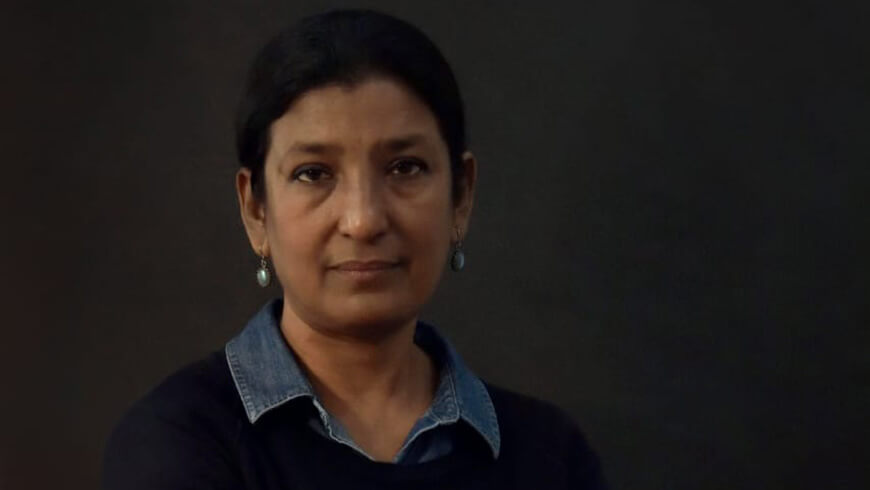
Santana Gohain is an accomplished Indian contemporary artist whose practice spans painting, drawing, and mixed media. Born in Assam, she pursued her Bachelor’s degree in Printmaking with Distinction from the Government College of Art and Crafts, Assam, and later earned her Post Diploma in Printmaking with First Class from the Faculty of Fine Arts, Maharaja Sayajirao University, Baroda.
Her artistic journey reflects a quiet yet profound engagement with memory, emotion, and lived experience, often translating these into layered visual narratives. Santana’s works explore the intersections of the personal and the collective, weaving themes of fragility, resilience, and belonging into her unique visual language. Characterized by fluid lines, organic forms, and subtle textures, her art creates contemplative spaces that invite reflection and introspection.
Over the years, Santana has showcased her works in several solo and group exhibitions across India — including shows in Vadodara, New Delhi, and Mumbai — and internationally, with exhibitions at New York (Bose Pacia Art Gallery), Los Angeles, UK and participation in the Print Biennale in France. Her practice has also been recognized through residencies and workshops that have expanded her artistic vocabulary and strengthened her engagement with diverse creative communities.
With her nuanced explorations of inner landscapes, memory, and transformation, Santana Gohain continues to contribute meaningfully to the discourse of contemporary Indian art. She currently lives and works in Vadodara, Gujarat.
Harshad Padiya: When did you first discover fine art and how did you decide that it was what you wanted to pursue professionally?
Santana Gohain: Since childhood, like most children, I enjoyed doing art activities to express myself. Fortunately, I continued expressing myself through painting, drawing, and sculpting as a kid, and my parents encouraged me a lot. My father used to do sketching in his diary sometimes. Before I started school, he would send letters for me as many sketches of his daily life instead of text. Later, my mother and my school teacher taught me embroidery and knitting. I continued all these artistic practices and I was inspired from everyone in my life.
Later, I came to know about Fine Arts as a field of study and profession. So, I joined the Government College of Art and Crafts in Guwahati, Assam. For further studies, I went to the Faculty of Fine Arts, M.S. University, Vadodara, Gujarat. After completing my studies, I chose to be a freelance artist.
HP: What keeps inspiring you to continue painting?
SG: Curiosity, self-questioning, and continuous practice have always inspired me to keep painting. Since childhood, I have been constantly engaged in drawing, painting, sculpting, and exploring different materials and mediums. This ongoing process has helped me develop a distinct vision and opened up another world of perception.
Experiences from new places, cultures, traditions, and everyday life — along with memories from my native place and moments from both the past and present — have all become important sources of expression. These experiences naturally flow into my work, allowing me to explore my mind on the surface through a variety of tools and mediums.
HP: Which medium do you favor and why?
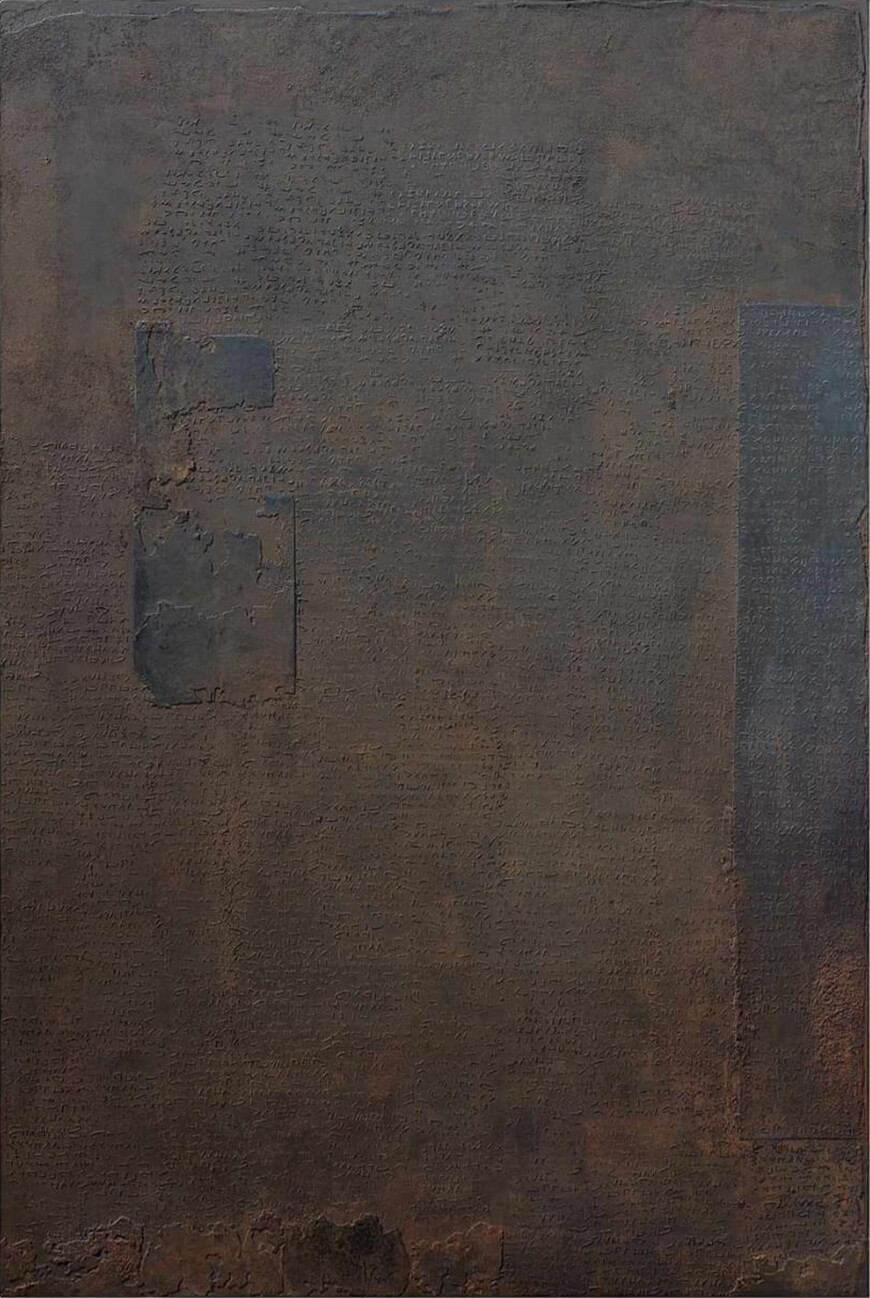
SG: I mostly work on paper, but I don’t limit myself to any particular medium. I choose whichever medium best suits my intention or the expression I want to achieve on the surface.
HP: How and when did you adopt your particular style and medium?
SG: As I mentioned earlier, the medium I use depends on what I want to express. I’m most comfortable working on paper because my Study background is in Printmaking (Graphic Art). Over time, I’ve come to understand paper, colour, tools, and process quite deeply, and I enjoy exploring them in my own way, often mixing them with printmaking techniques. For me, beyond printmaking, there exists another parallel world with great depth something deeper that I’m still curious about and constantly searching for through my work.
HP: How do you come up with ideas for artwork?
SG: My work often begins with present experiences and gradually reconnects with memories, past learning, and reflections. It becomes a process of reasoning, speculation, and contemplation — where complex thoughts take visual form through drawing, colour, and texture. Each layer on the surface becomes a dialogue between the present and the remembered.
HP: How has your artistic practice evolved since the beginning of your career?
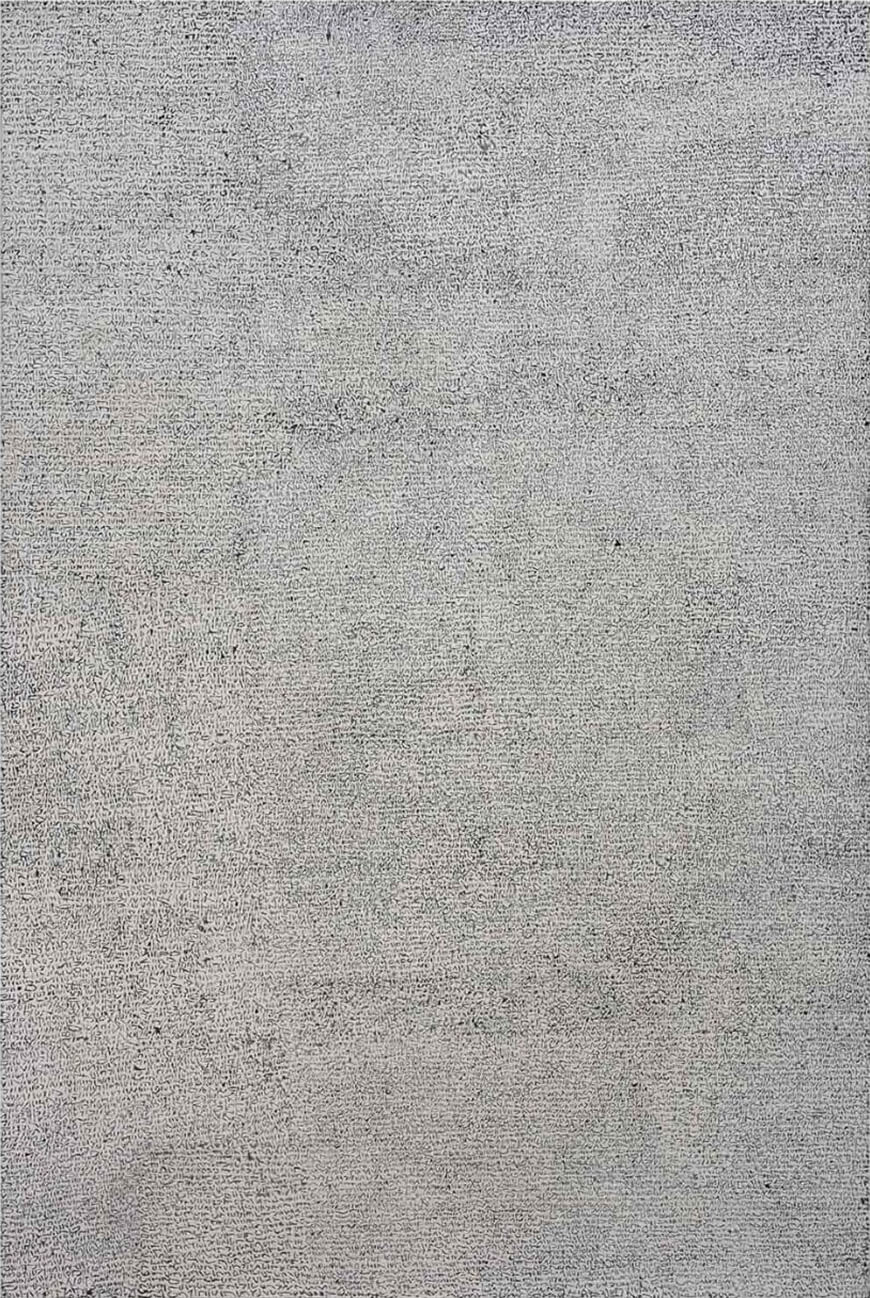
SG: It has evolved gradually through continuous work, observation, and connection with my surroundings. Reconnecting with memories, refining my thoughts and understanding, and developing my working skills have all shaped my process. Growth happens naturally when you stay open and keep creating.
HP: What do you believe is a key element in creating a good composition?
SG: A good composition comes from thoughtful balance — a mix of ideas, aesthetics, emotions, understanding of materials, skill, and self-awareness. All these elements work together on a surface.
HP: Does your practice of drawing improve your painting? Or vice versa?
SG: Yes, absolutely. It’s not just about the work itself — drawing and painting inform each other and help me develop my aesthetic sense, refine my thinking, and improve as an artist overall.
HP: Do you utilize any unusual equipment or painting techniques in your creative process?
SG: I wouldn’t call them unusual, but sometimes when the right tools aren’t available, I make my own — whatever I need, in whatever way I want. It becomes part of the creative process itself.
HP: What are the greatest challenges you face when making your art?
SG: I see all challenges as part of the process — in fact, they often become my greatest sources of inspiration.
HP: How long does it typically take you to complete a finished work, and how do you know when a piece is done?
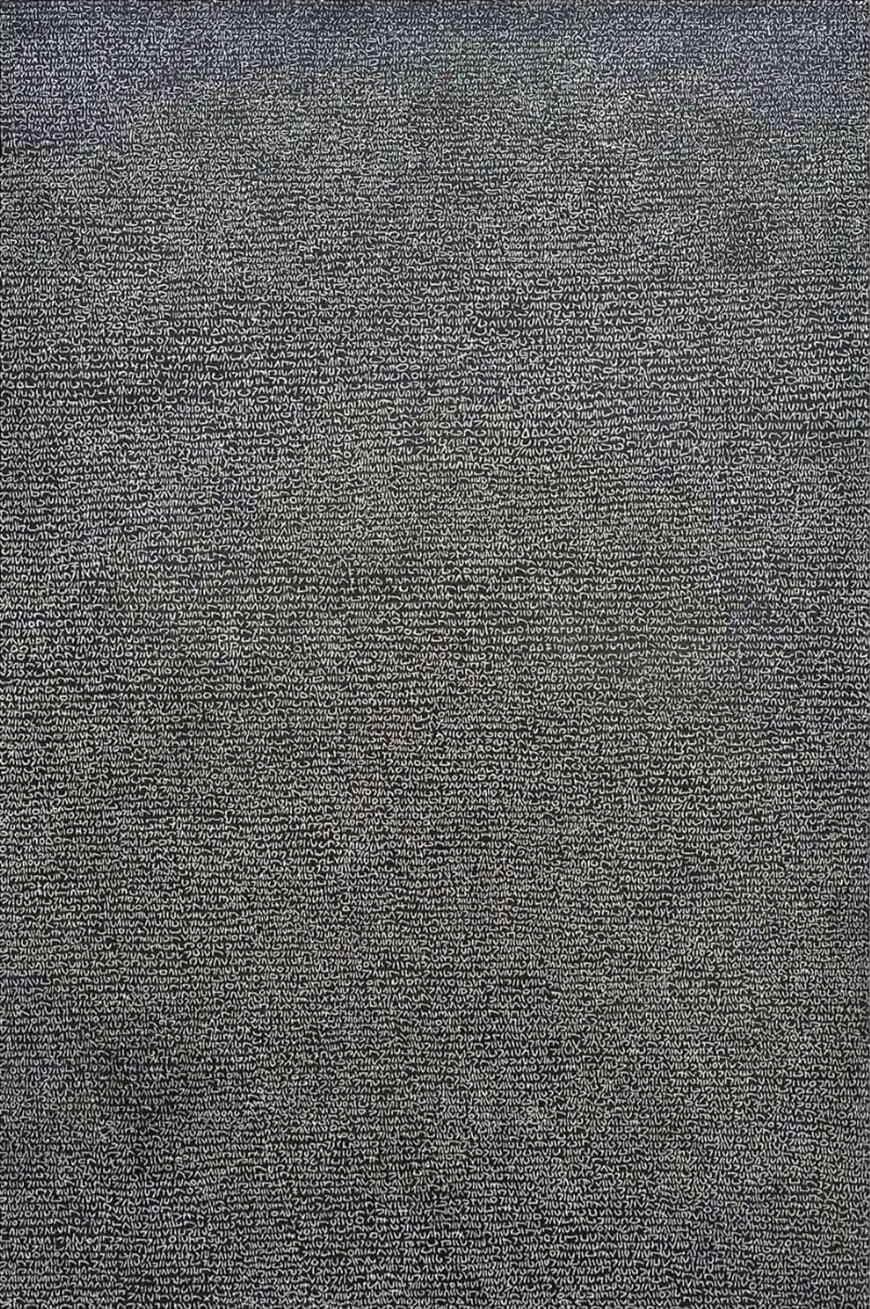
SG: The time it takes depends on the size of the work and the process involved. There is not a single reason or moment that signals a piece is finished — it’s more psychological. Creating is an ongoing process, and the visuals are always connected to the mind. I consider a work complete when, emotionally, I feel I have gone through the full creative process, and the space on the surface feels complete.
HP: Have you produced any artworks that you really didn’t want to sell?
SG: Yes, sometimes I keep certain works as a reference for my next body of work. I also keep all my materials and process test pieces — they are part of my working history and help me trace the evolution of my practice.
HP: What advice would you give to young, aspiring artists starting out in their career?
SG: I still consider myself a traveler and a learner in this journey. It’s difficult to give advice, but from my experience, I’d say — observe deeply, have a good understanding of everything, including yourself and aesthetics. Develop both mental and technical skills, stay free to learn, and free to express.
HP: What is your studio like, and how is it organized?
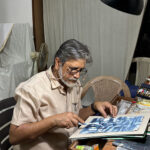
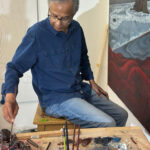
SG: My studio environment is quite pleasant. I share the space with my husband, artist Ganesh Gohain. His studio is on the ground floor, and I work upstairs. The studio is well-equipped, and we often share our experiences and help each other — but we never interfere in each other’s creative process. There’s a quiet understanding between us.
HP: Do you have a piece of work that stands out as particularly important or emotionally significant?
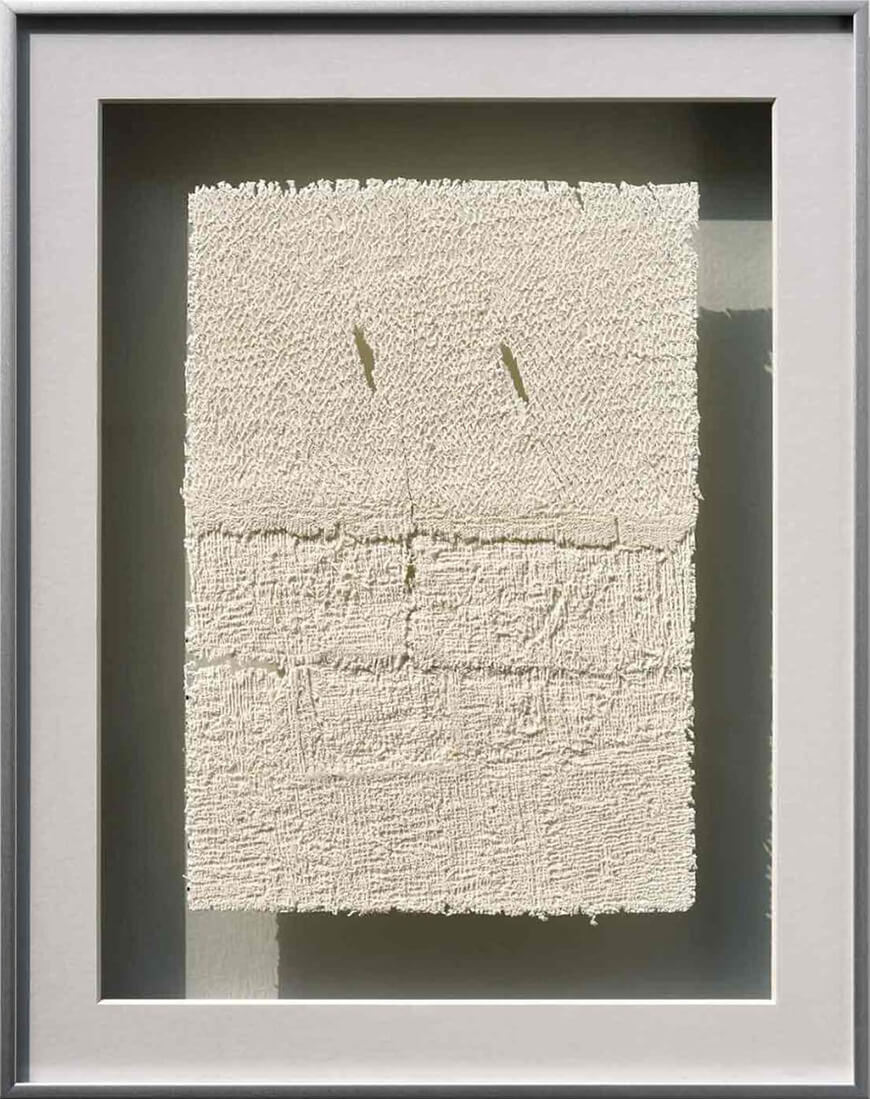
SG: I’m emotionally attached to all my works. There isn’t one specific piece — every work is a small part of the larger journey. I love the process and the act of creation.
HP: Who are your favorite artists?
SG: I admire works that I can connect or communicate with. There is not only one particular artist. There are so many remarkable artists — from the past, present, and even among young contemporary creators — whose works inspire me in different ways.
HP: If you weren’t an artist, what profession would you have pursued?
SG: In some way or another, I would still be an artist. If not through visual art, then perhaps through instrumental music and film-making — something creative where expression and rhythm guide the work.