The Indus Valley Civilization, one of the world’s oldest urban cultures, left behind cities that continue to fascinate archaeologists, historians, and art scholars alike. Among its most remarkable sites is Dholavira, located in the arid Rann of Kutch in Gujarat, India. Designated a UNESCO World Heritage Site in 2021, Dholavira reveals a sophisticated understanding of architecture, water management, urban planning, and cultural expression that speaks to the genius of its people.
Unlike many other Harappan sites, Dholavira has been exceptionally well-preserved. Its remains open a window into a civilization that flourished nearly 4,500 years ago, offering insights into both the practical ingenuity and symbolic imagination of the Harappans.
The Layout of a Harappan City
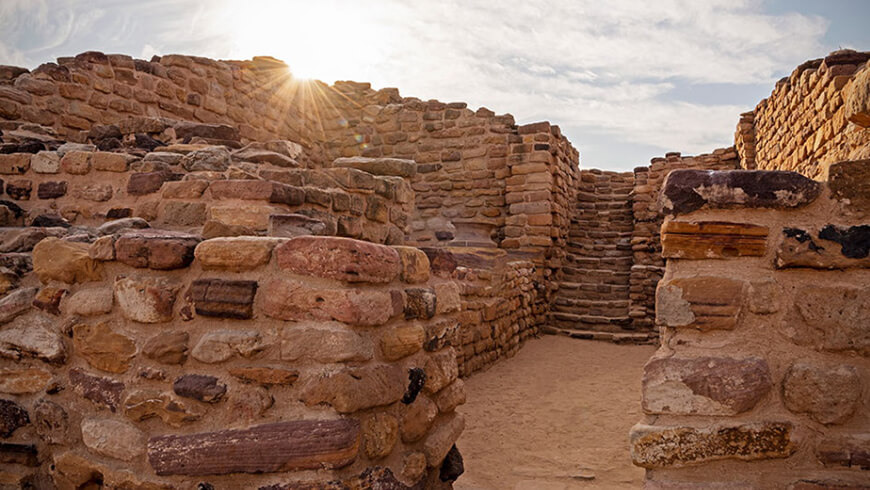
Dholavira was divided into three principal zones: the citadel, middle town, and lower town. This tripartite planning reflects a hierarchical yet highly organized social structure. Unlike Mohenjo-daro or Harappa, Dholavira’s architecture is built primarily in stone rather than baked brick, a feature that distinguishes it within the Harappan world.
The citadel housed administrative and possibly ceremonial buildings, while the middle town contained workshops, storage facilities, and elite residences. The lower town, expansive and densely populated, was home to the broader community. The urban grid suggests careful thought given to functionality, aesthetics, and the integration of public and private spaces.
Water as an Art and Science
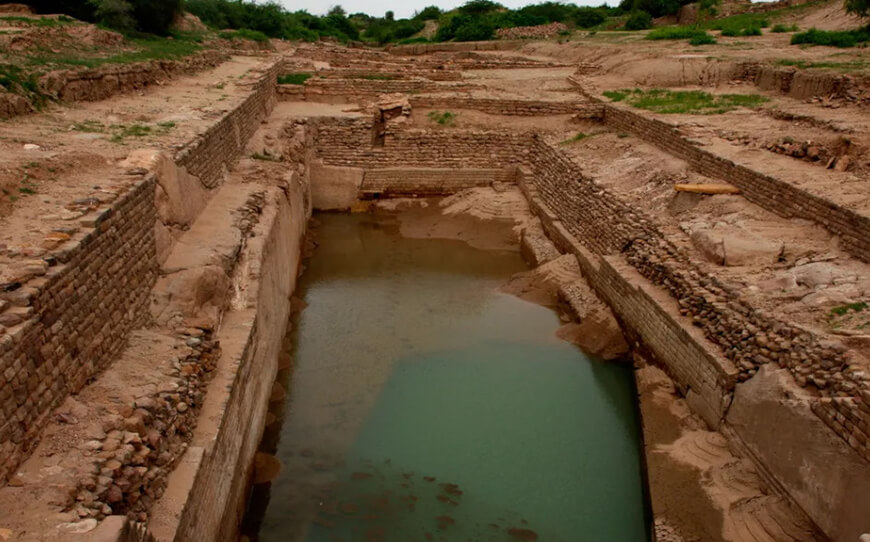
One of Dholavira’s most striking features is its advanced water management system. Situated in the semi-arid Rann, the city’s inhabitants engineered massive reservoirs, stepwells, channels, and check dams to harvest rainwater and store water from seasonal streams. These features show an extraordinary understanding of hydraulic engineering, centuries before similar systems appeared in other civilizations.
From an art-historical perspective, the reservoirs and stepwells embody not only practicality but also cultural imagination. Water was both life-giving and sacred. The scale and care with which these structures were made suggest a deep reverence for the element, foreshadowing the symbolic role water would continue to play in Indian temple architecture.
Material Culture and Artistic Expressions
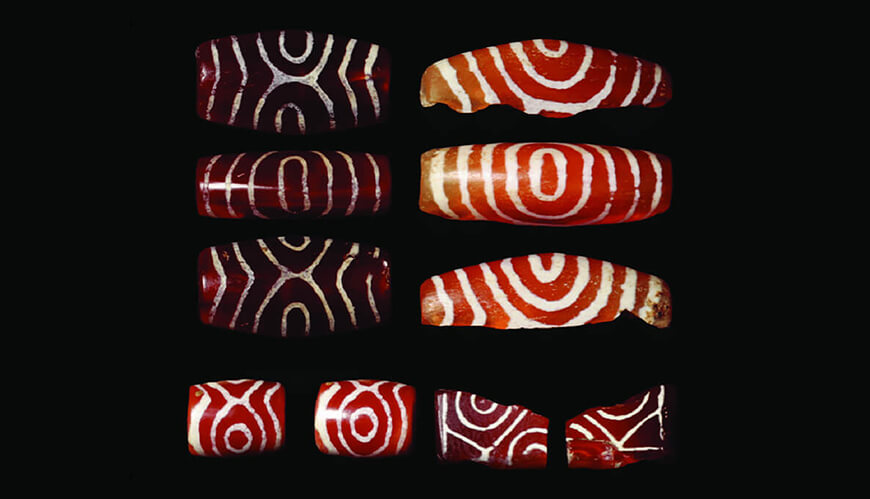
Excavations at Dholavira have uncovered seals, pottery, beads, tools, ornaments, and figurines that speak to the creative life of the settlement. The city was a hub of craftsmanship, producing objects in shell, semi-precious stones like carnelian, and faience.
Of particular significance is the discovery of a large Harappan inscription, one of the earliest examples of large-scale writing in the subcontinent. Carved on ten large signs, this inscription suggests the importance of communication, identity, and perhaps ritual or civic life. Though the Harappan script remains undeciphered, its aesthetic presence at Dholavira reflects an interplay of language, power, and art.
Trade and Cultural Networks
Located near the Arabian Sea, Dholavira was part of a vibrant network of trade. Artifacts reveal links with Mesopotamia, Oman, and other regions, highlighting the cosmopolitan nature of Harappan culture. The circulation of goods also meant the circulation of ideas, techniques, and aesthetics, shaping the artistic practices of the time.
Decline and Memory
Around 1900 BCE, the Harappan civilization began to decline, possibly due to climate change and the drying up of rivers. At Dholavira, evidence suggests that the city was gradually abandoned, though smaller communities may have continued for centuries.
Yet the memory of Dholavira endures. For art historians, it represents the origins of India’s architectural imagination, particularly in its monumental planning, symbolic water architecture, and integration of form with environment. It foreshadows traditions that would later define Indian art and architecture: the stepwells of Gujarat, the symbolic city layouts of medieval India, and the sacred relationship between water, land, and human habitation.
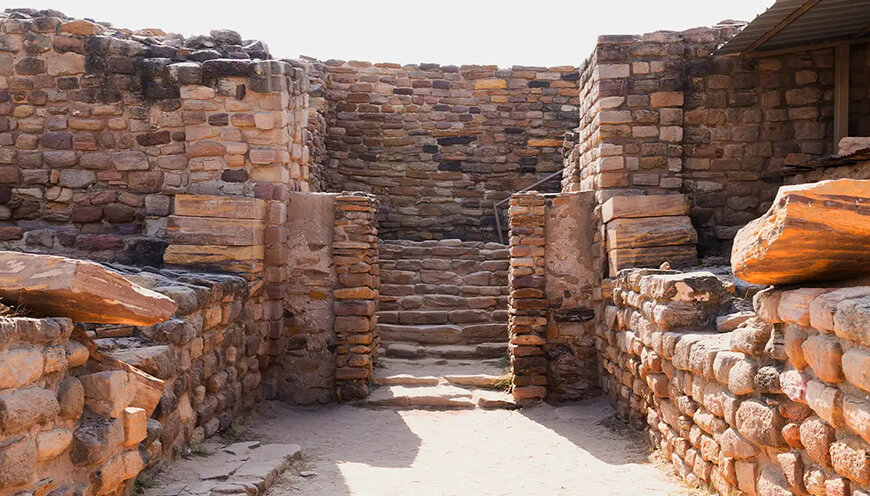
Dholavira is not merely a site of ruins but a living testimony to the ingenuity of the Harappan people. Its art, architecture, and planning reveal a civilization deeply attuned to both human need and cultural expression. In connecting past and present, Dholavira reminds us that ancient cities were more than habitations—they were works of art in themselves, shaped by vision, skill, and a profound sense of humanity.