Orissan, Kashmiri, Bengal, Vijayanagara and Maratha Contributions
Medieval Indian art marks a crucial phase in the subcontinent’s cultural history, roughly spanning from the 8th to the 18th centuries. This period witnessed the emergence of powerful regional kingdoms, each nurturing distinctive artistic languages shaped by geography, religious traditions, political patronage and local materials. Rather than a single, unified artistic style, medieval India produced a vibrant mosaic of regional expressions that collectively enriched Indian art history.
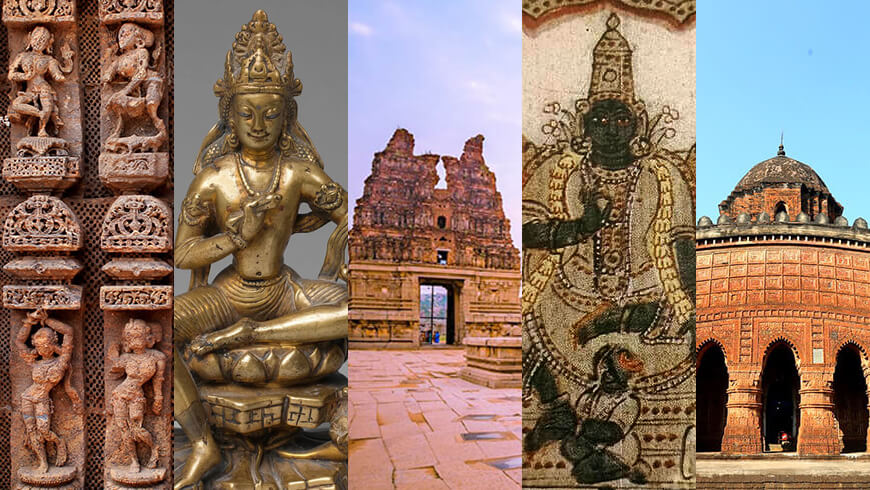
The rise of regional styles during this period reflects a shift from pan-Indian classical ideals toward localized interpretations of form, iconography and aesthetics. Orissan temple sculpture, Kashmiri bronzes, Bengal’s narrative reliefs, Vijayanagara’s monumental architecture and Maratha painting traditions exemplify how art became deeply rooted in regional identity while remaining connected to broader Indian visual culture.
Orissan Art: Sculptural Elegance and Sacred Geometry
Orissa (present-day Odisha) emerged as one of the most refined artistic centers of medieval India. Deeply rooted in Hindu devotional practices, especially the worship of Jagannatha, Orissan art is best represented through its temple architecture and stone sculpture.
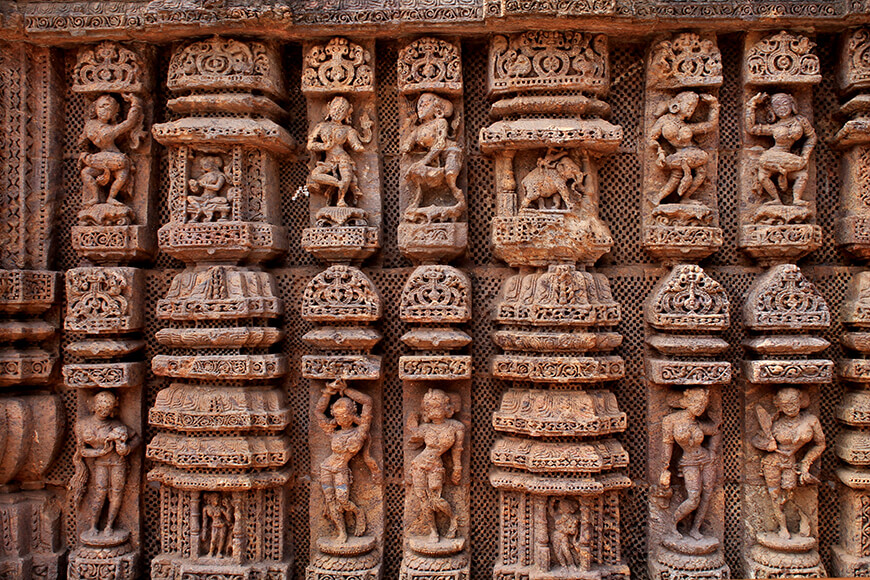
The Kalinga style of temple architecture, characterized by the rekha deula (curvilinear tower), jagamohana (assembly hall) and richly carved exteriors, reached its zenith between the 10th and 13th centuries. Temples such as Lingaraja (Bhubaneswar) and Konark Sun Temple display extraordinary sculptural detail—graceful figures, sensuous nayikas, musicians and mythological narratives carved with rhythmic precision.
Orissan sculpture is marked by balanced proportions, lyrical movement and intricate ornamentation. Art here was not merely decorative; it functioned as a visual theology, transforming temple walls into sacred narratives accessible to devotees.
Kashmiri Art: Refinement in Metal and Manuscript
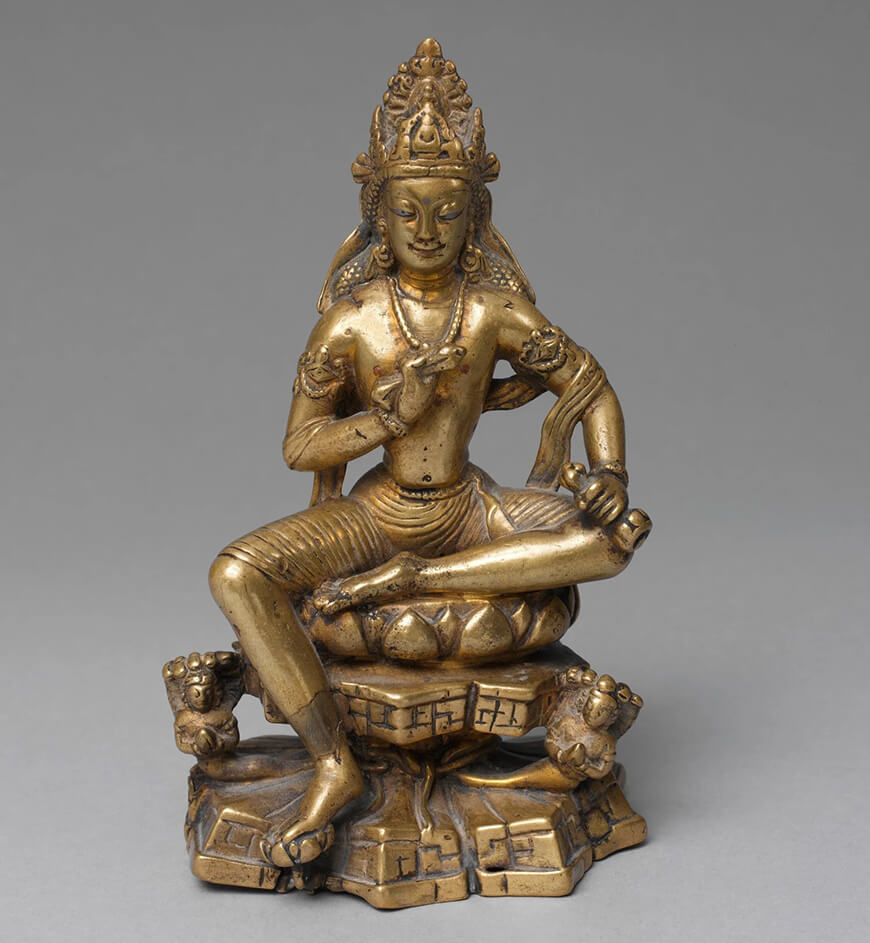
Kashmir’s medieval art developed under unique geographical and cultural conditions, influenced by Central Asian, Buddhist and Shaivite traditions. Unlike stone-dominated regions, Kashmir excelled in metal sculpture, particularly bronze and copper alloy images.
Kashmiri bronzes of deities such as Shiva, Vishnu and Avalokiteshvara are known for their elongated forms, refined facial features and subtle ornamentation. These sculptures emphasize serenity and spiritual transcendence rather than dramatic expression.
Additionally, Kashmir played a significant role in manuscript illumination, especially during the later medieval period. Delicate line work, restrained color palettes and attention to detail reflect a scholarly and contemplative artistic environment. Kashmiri art thus represents a quieter yet intellectually rich regional tradition.
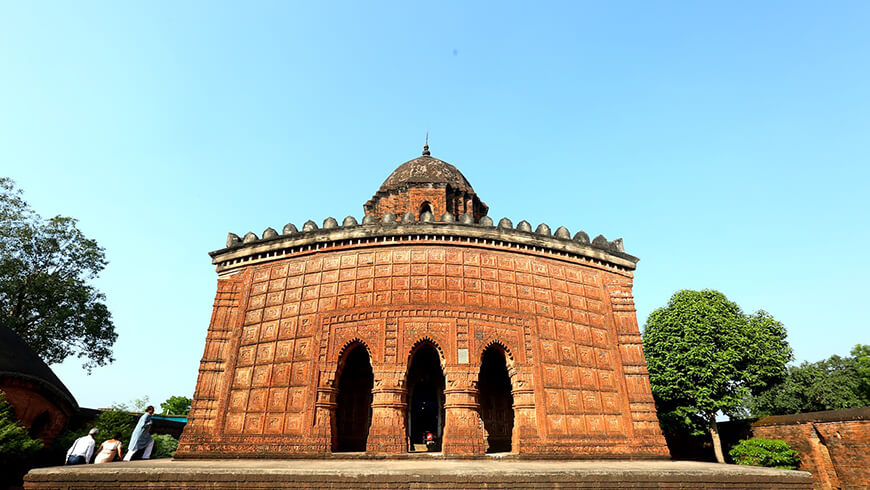
Bengal Art: Narrative and Earthy Sensibilities
In medieval Bengal, art developed in close dialogue with the region’s fertile landscape, clay-rich soil and devotional movements such as Vaishnavism. The scarcity of stone led to widespread use of terracotta, particularly in temple architecture.
Terracotta temples from the 17th and 18th centuries—such as those in Bishnupur—feature elaborate narrative panels depicting scenes from the Ramayana, Mahabharata, Krishna legends and everyday life. These reliefs are expressive, animated and deeply connected to local storytelling traditions.
Bengal also contributed significantly to manuscript painting and early pata painting, emphasizing narrative continuity and emotional expression. The art of Bengal stands out for its warmth, accessibility and strong storytelling impulse.
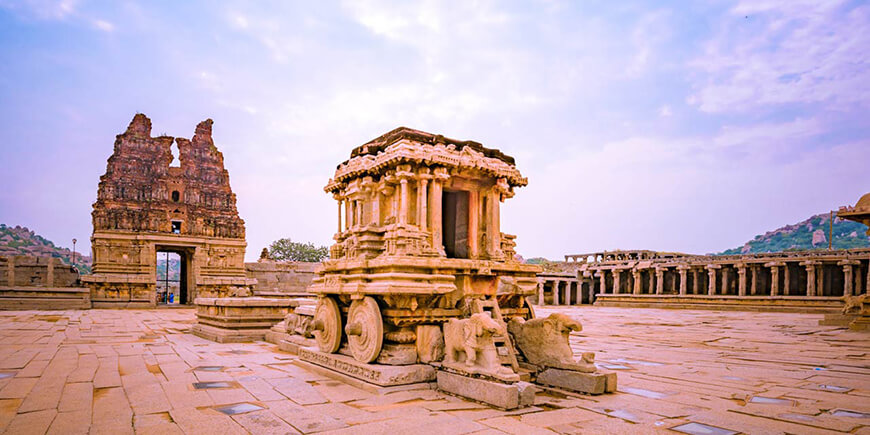
Vijayanagara Art: Monumentality and Imperial Vision
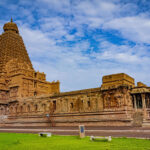
The Vijayanagara Empire (14th–16th centuries) in South India produced one of the most powerful artistic legacies of medieval India. Vijayanagara art reflects imperial ambition, religious devotion and architectural grandeur.
Temple complexes such as Hampi, Tirupati, and Lepakshi showcase massive gopurams (gateway towers), pillared halls (mandapas) and dynamic sculptural programs. Vijayanagara sculpture is robust and energetic, often depicting muscular deities, warriors and celestial beings.
Narrative reliefs, yali (mythical beast) motifs and temple murals demonstrate a synthesis of earlier Chola traditions with new monumental aesthetics. Art here functioned as an assertion of political authority and cosmic order.
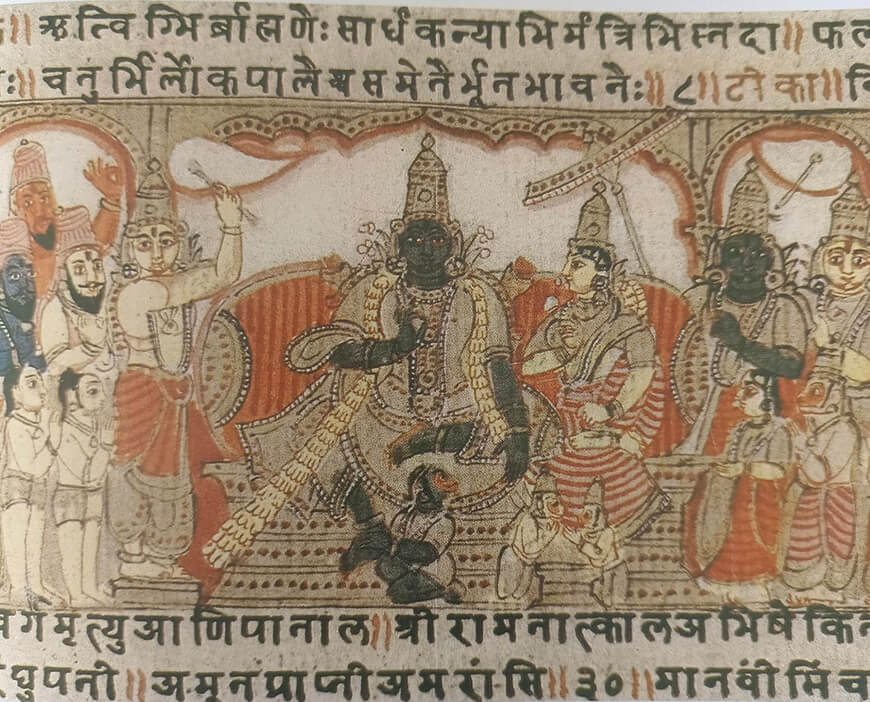
Maratha Art: Devotion, Court Culture and Folk Traditions
Under the Marathas, particularly from the 17th century onward, art took on distinct regional characteristics shaped by devotional practices and emerging courtly culture. Maratha painting, influenced by Deccan and Mughal traditions, developed a simplified yet expressive visual language.
Manuscript illustrations, wall paintings and temple art often focused on Bhakti themes, saints and local legends. Strong outlines, flat colors and narrative clarity characterize Maratha visual traditions.
Maratha art also maintained close ties with folk forms, ensuring continuity between elite and popular artistic practices. This blending of courtly and vernacular aesthetics gives Maratha art its unique identity.
Regional Styles and Cultural Pluralism
The rise of regional styles in medieval Indian art reflects a broader cultural pluralism. While religious themes dominated, artistic expression varied significantly depending on local conditions—availability of materials, political structures, trade networks and devotional movements.
Despite their diversity, these regional traditions shared a common visual vocabulary rooted in Indian aesthetics—symbolism, narrative and spiritual purpose. Together, they demonstrate how Indian art evolved not through uniformity, but through regional innovation and dialogue.
Unity Through Diversity
Medieval Indian art stands as a testament to the creative vitality of regional cultures. Orissan elegance, Kashmiri refinement, Bengali narrative warmth, Vijayanagara monumentality and Maratha devotional clarity collectively shaped India’s artistic heritage.