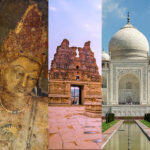
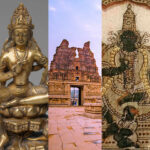
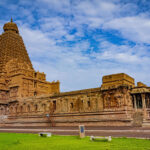
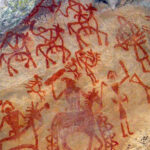
Indian mural painting is more than decoration—it is storytelling made permanent. Across regions and centuries, artists painted on cave walls, temple pillars, monastery interiors, palaces and domestic shrines to transmit histories, spiritual ideas and cultural memory. These murals represent one of the most enduring narrative traditions in world art, where painting becomes a living text and walls become repositories of collective identity.
Murals as Carriers of Memory
Unlike portable paintings, murals are anchored to place. They respond to the architecture, lighting, rituals and movement of the viewer. In Indian tradition, murals carried stories from mythology, philosophy, everyday life and royal history. They acted as visual scriptures for communities that may not have had access to literary texts—bringing epics, Jataka tales and cosmological ideas into public space.
This article explores four major mural traditions – Ajanta, Lepakshi, Kerala and the Himalayan schools—each offering a unique approach to narrative visual culture.
Ajanta: The Epic of Compassion
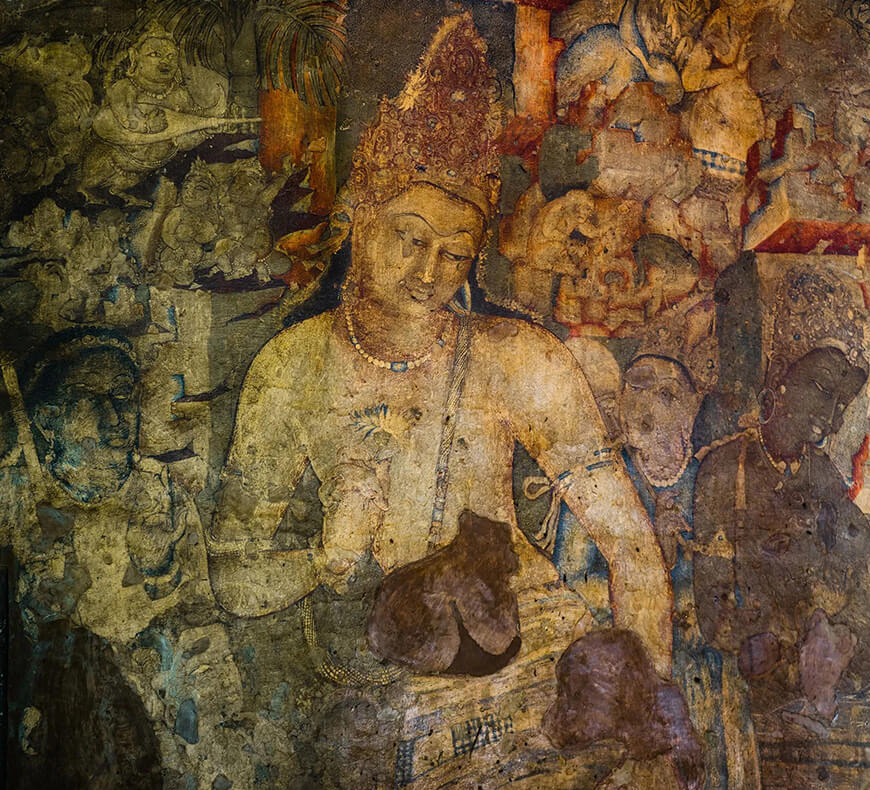
The Ajanta caves (2nd century BCE – 6th century CE) remain the most celebrated site of Indian mural painting. Carved into the basalt cliffs of Maharashtra, these Buddhist caves house expansive murals that combine storytelling with psychological depth. The artists used mineral pigments and the sophisticated fresco-secco technique to create images that still retain brilliance after more than a millennium.
Ajanta’s narratives come primarily from the Jataka tales—stories of the Buddha’s previous births. The murals read like continuous scrolls, where scenes flow into each other without strict framing. The Bodhisattva Padmapani, the Great Departure and the Mara’s Temptation are among the most iconic representations.
What makes Ajanta extraordinary is its attention to human emotion. Characters glimpse, gesture and interact with tenderness. Ajanta invited viewers into a compassionate worldview, using visual narrative as a spiritual teacher.
Lepakshi: The Theater of Sacred Drama
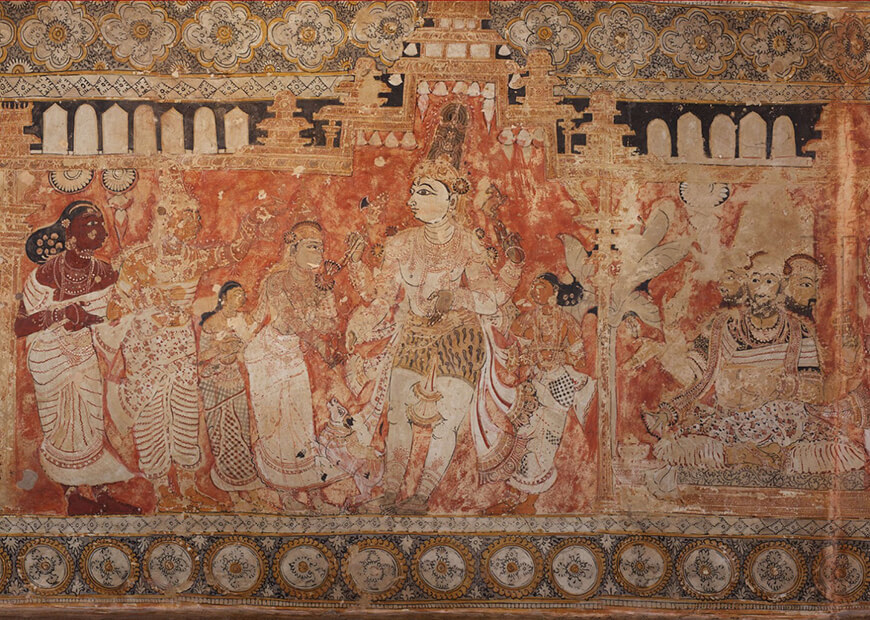
If Ajanta is introspective, Lepakshi (16th century) in Andhra Pradesh is theatrical and exuberant. Painted on the ceilings and walls of the Veerabhadra Temple, these murals present a dynamic, dramatic and extroverted storytelling style.
The narratives revolve around episodes from the Ramayana, Mahabharata and Puranic stories. The artists used bold contours and expanses of flat color, creating visual energy that complements the temple’s sculptural program.
One of the most memorable is the giant mural of the Virabhadra—the fierce form of Shiva—rendered with striking detail. The placement of murals on the ceiling forces the viewer to look upward, mirroring a devotional gesture. At Lepakshi, story and sacred space merge, turning the temple interior into a spiritual theater.
Kerala: Where Color Becomes Devotion
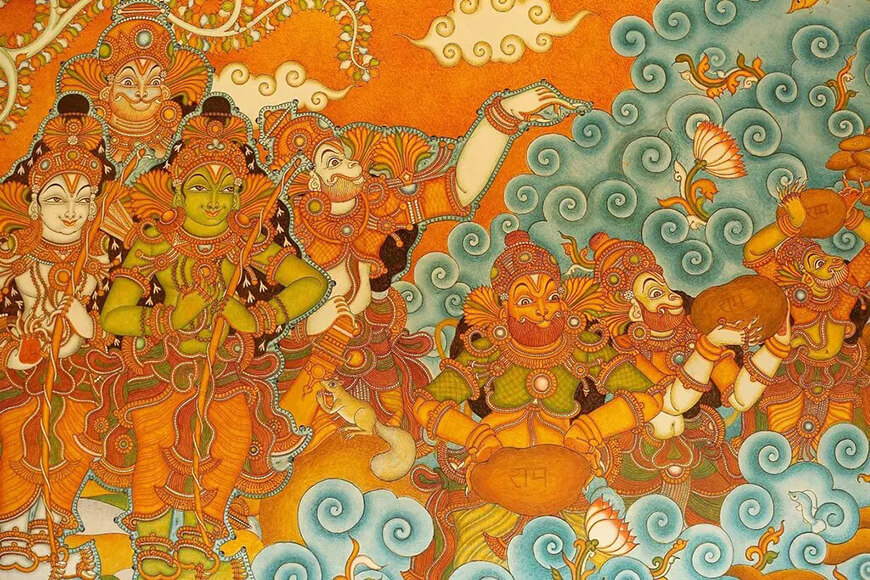
Kerala mural painting evolved between the 14th and 19th centuries, flourishing in temples and palace complexes. Characterized by brilliant reds, ochres, greens and yellows, these murals demonstrate meticulous draftsmanship and a codified visual language.
The narrative themes center on Vaishnava, Shaiva and Shakta traditions. Famous sites like Mattancherry Palace, Ettumanoor Temple and Guruvayur display epic scenes with rhythmic compositions and stylized facial expressions. Figures are elongated, graceful and outlined with clean precision.
Unlike Ajanta’s emotional fluidity, Kerala murals maintain a formal, almost ritualistic aesthetic—each figure rendered with symbolic purpose. These murals served as visual anchors for temple storytelling traditions and devotional performances like padayani and kathakali.
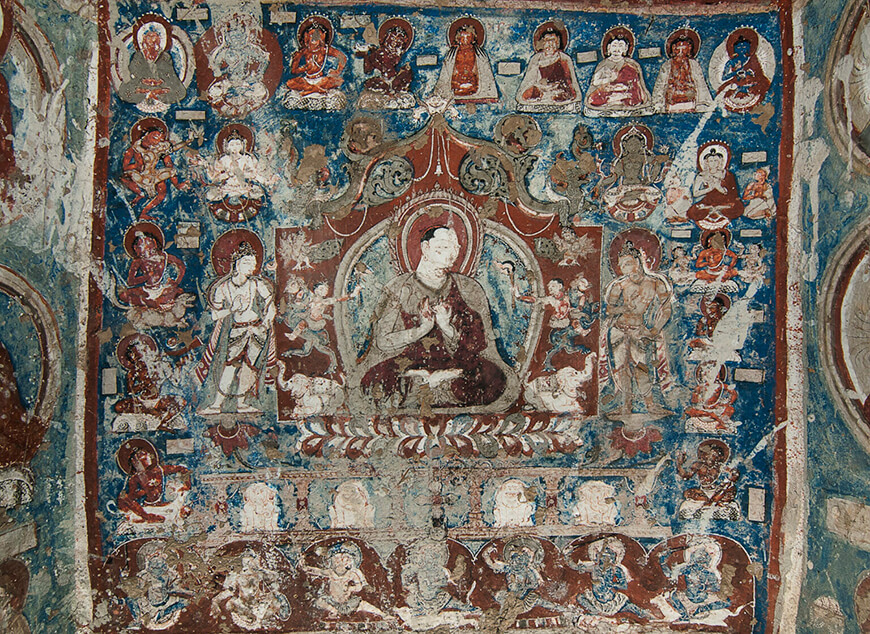
Himalayan Murals: Mandalas, Myths and Monastic Knowledge
The Himalayan mural traditions—found in Ladakh, Himachal Pradesh, Sikkim and Bhutan—reflect Vajrayana Buddhist cosmology and monastic learning systems. Monasteries such as Alchi, Hemis, Tabo and Thiksey house murals that combine narrative with metaphysical diagrams.
These murals depict Bodhisattvas, wrathful deities, guardian spirits, mandalas, lineage masters and episodes from Buddhist biographies. The narrative is not linear but symbolic, meant to guide meditation and ritual practice.
The murals at Alchi are particularly famous for their Indo-Tibetan style, featuring intricate ornamentation, celestial figures and cosmological charts. Here, the wall becomes a universe where each detail holds doctrinal significance.
Reading the Walls Today
Contemporary scholarship recognizes these mural traditions as vital historical documents. They reveal not only religious practices but also clothing, architecture, flora, fauna, musical instruments, gender roles and social interactions of their time.
Murals serve as visual archives. They bridge art history, anthropology, religion, performance traditions and architectural studies. In a world saturated with digital images, these ancient walls remind us that storytelling once required years of collaboration, craftsmanship and communal participation.
A Living Legacy
The narrative traditions of Indian mural painting reflect a continuity of visual imagination. Whether through Ajanta’s meditative empathy, Lepakshi’s dramatic myth-making, Kerala’s devotional precision, or the Himalayan monasteries’ cosmic order, these murals demonstrate how stories shape culture.