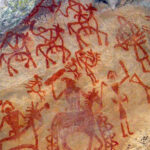
Hidden among the lush hills near Lonavala, Karla Caves in Maharashtra are one of India’s finest examples of ancient rock-cut Buddhist architecture. These caves, carved more than 2,000 years ago, serve as a timeless testament to the faith, craftsmanship, and cultural richness of the Hinayana phase of Buddhism.
History and Origins
The Karla Caves date back to the 2nd century BCE to 5th century CE, developed primarily under the patronage of the Satavahanas and later dynasties. These caves were important resting spots for Buddhist monks and traders who traveled along the ancient trade route that passed through the Western Ghats.
The Grand Chaitya Hall
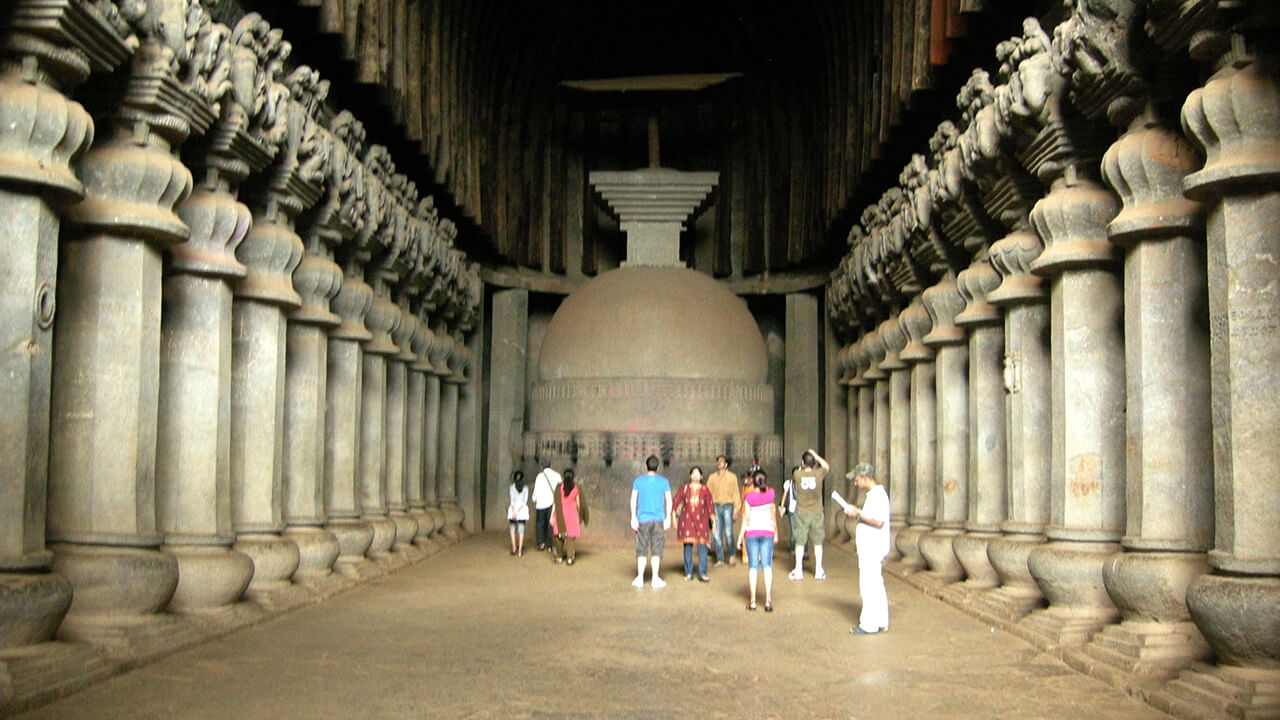
The centerpiece of Karla is its magnificent Chaitya hall (prayer hall)—the largest and best-preserved of its kind in India. The hall boasts high vaulted ceilings supported by 37 octagonal pillars, each intricately carved with figures of lions, elephants, and riders. At the far end sits a stupa, the symbolic heart of the hall, radiating spiritual energy and peace.
Architectural Excellence
Unlike many later Buddhist caves, the Karla Chaitya hall uses stone ribs on the ceiling to mimic wooden construction, a detail that reflects the architectural transition of the era. The cave entrance is adorned with a massive horseshoe-shaped arch, intricately carved columns, and a striking Ashokan pillar with a lion capital—reminiscent of the emblem of India.
You will also observe
- Vihara: Monastic halls for living and meditation.
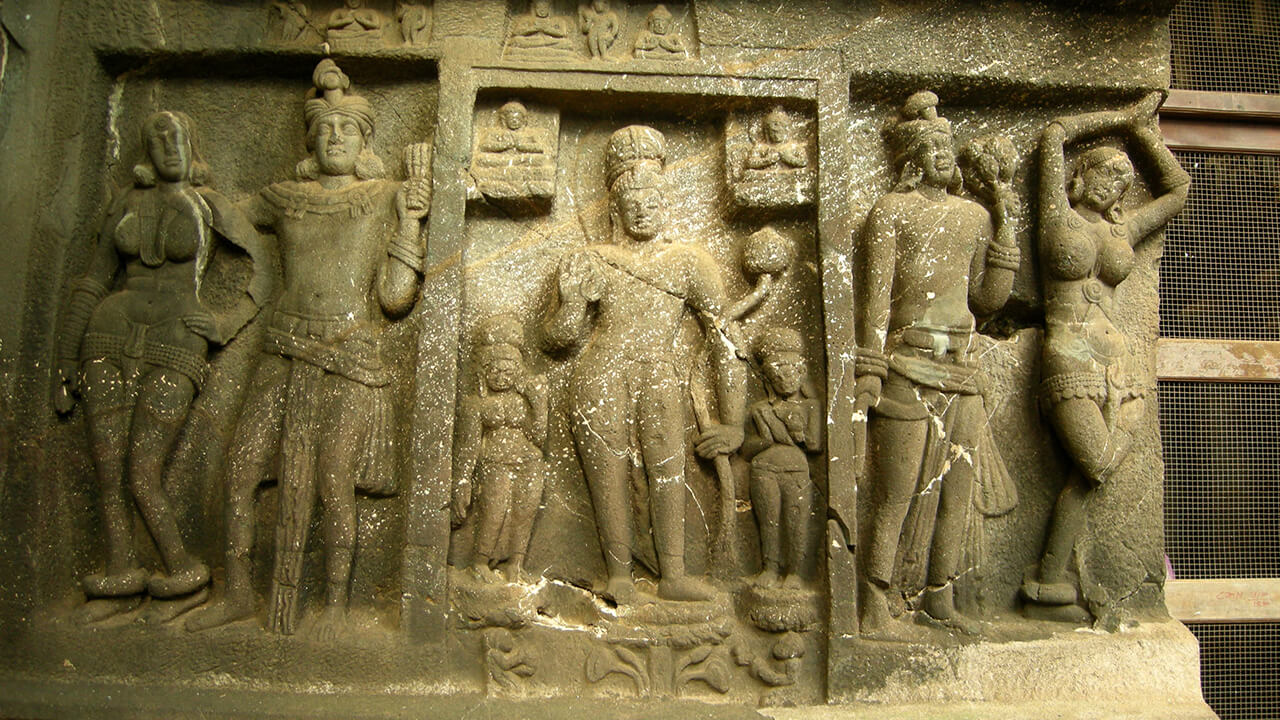
- Rock-cut sculptures: Carvings of Buddha, Bodhisattvas, yakshas, and mythological creatures.
- Ekveera Devi Temple: A popular Hindu shrine located just beside the main cave, visited by local devotees and pilgrims.
Cultural and Spiritual Relevance
Karla Caves are not just architectural marvels—they are a symbol of India’s pluralistic religious heritage. Though originally a Buddhist site, today it’s shared space with Hindu worshippers, especially at the Ekveera Devi Temple, showcasing the layered history of devotion in India.
Getting There
Karla Caves are located about 10 km from Lonavala and 60 km from Pune. Visitors must climb a steep stairway to reach the caves, but the view and ambiance at the top are absolutely rewarding.
Travel Tips
- Wear comfortable shoes and carry water for the climb.
- Visit early morning to avoid heat and crowds.
- Photography is allowed but be respectful of the active religious sites.
Conclusion
Whether you’re a history lover, architecture enthusiast, or spiritual seeker, the Karla Caves offer a deep connection to India’s past. In the cool shade of stone, surrounded by centuries of quiet worship and artistry, you’ll find a space that still whispers the voices of monks, merchants, and kings from long ago.
Plan a visit to Karla, and step into a living monument carved from silence and stone.