Monuments are often seen as silent witnesses of history – grand temples, mosques, forts, palaces and colonial buildings that stand across India’s landscape. Yet these structures are far from silent. They embody complex histories of power, memory, conflict and transformation. In Indian art history, monuments are not merely architectural achievements but political objects whose meanings evolve through time.
The life of a monument does not end when its construction is completed. Rather, it continues through centuries of preservation, neglect, reinterpretation and restoration. Each phase reveals the changing priorities of societies and governments, demonstrating how cultural heritage is deeply intertwined with politics, identity and historical memory.
Monuments as Symbols of Power and Legitimacy
Historically, monuments were often built to demonstrate political authority and cultural legitimacy. Kings, emperors and dynasties used monumental architecture to express power, religious devotion and territorial dominance.
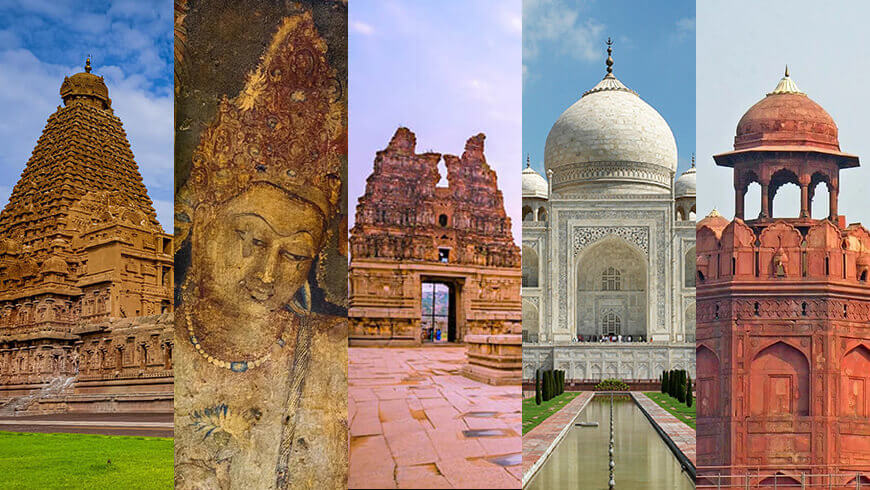
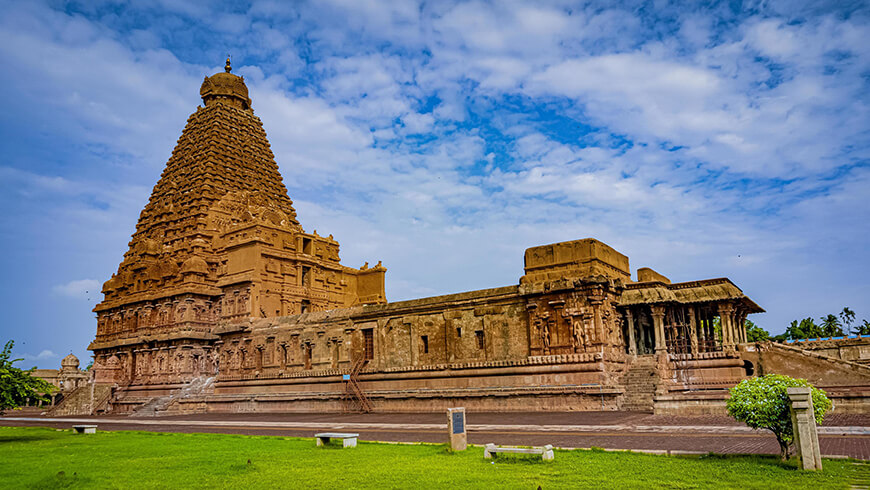
For instance, the towering architecture of the Brihadeeswarar Temple, constructed during the reign of Rajaraja Chola I in the 11th century, symbolized the political and spiritual supremacy of the Chola Empire. Its massive vimana and intricate sculptures were not only artistic achievements but also statements of imperial authority and divine legitimacy.
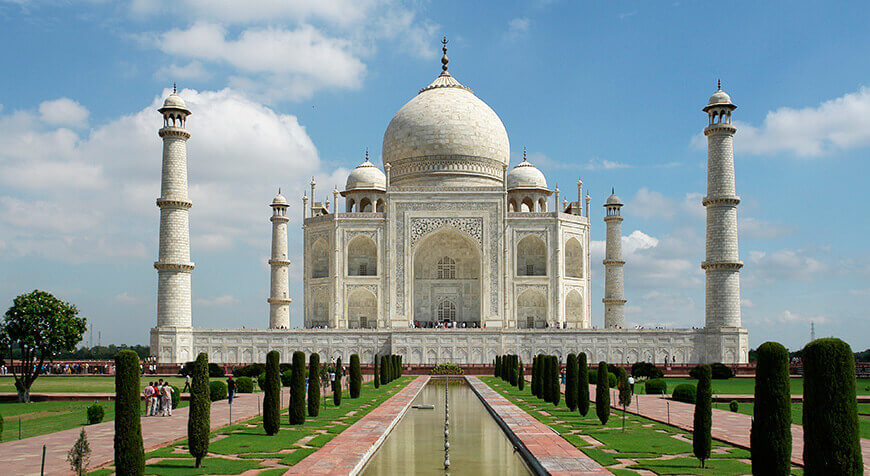
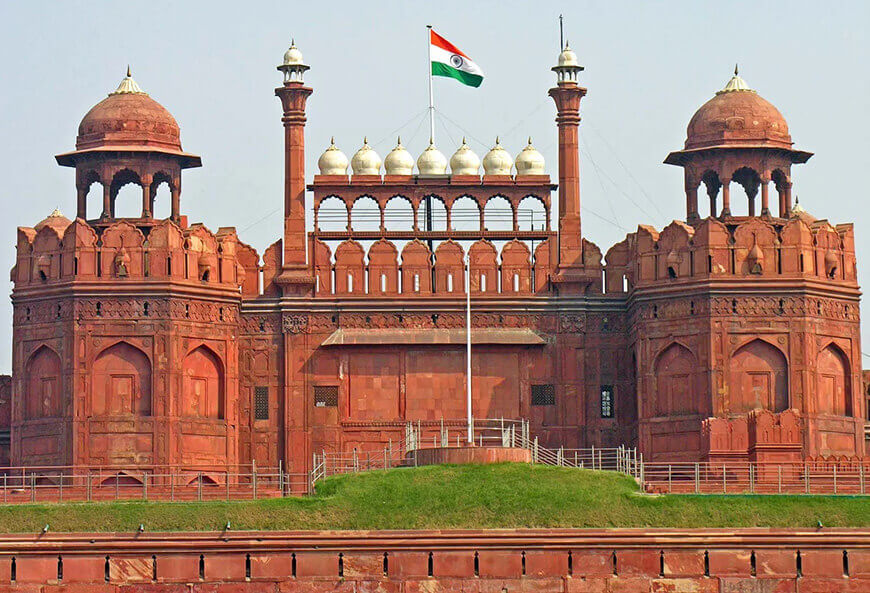
Similarly, Mughal architecture functioned as a visual language of empire. Monuments like the Taj Mahal and Red Fort communicated the grandeur and sophistication of Mughal rule. Their architecture combined Persian, Islamic and Indian traditions, reflecting both political ambition and cultural syncretism.
These monuments were never neutral structures. They were carefully designed to shape how rulers were remembered and how power was perceived.
Memory and the Changing Meanings of Monuments
Over time, the meanings attached to monuments often shift. Structures built for one purpose may acquire new interpretations as political regimes change and societies evolve.
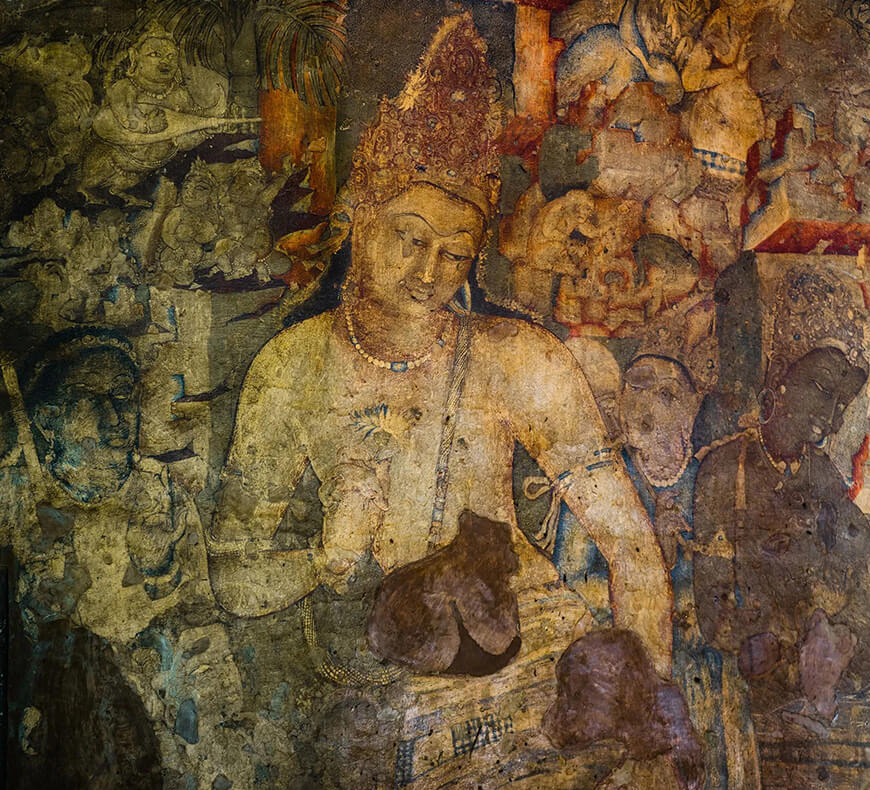
The Buddhist complex of the Ajanta Caves provides an interesting example. Created between the 2nd century BCE and 6th century CE, these caves once served as vibrant monastic and artistic centers. After centuries of abandonment, they were rediscovered during the colonial period in 1819. Their reinterpretation by archaeologists and historians transformed them into symbols of India’s ancient artistic heritage.
Similarly, monuments associated with colonial rule have undergone reinterpretation in post-independence India. Structures built by the British Empire – administrative buildings, railway stations and memorials – were originally intended to assert imperial authority. After independence in 1947, many of these buildings were reappropriated by the Indian state, symbolizing continuity and transformation rather than colonial dominance.
Thus, monuments become layered archives of memory, holding multiple histories simultaneously.
Neglect, Decay and the Politics of Forgetting
While some monuments receive careful preservation, many others suffer neglect and gradual decay. This uneven treatment often reflects political priorities, economic constraints, or shifting cultural values.
Thousands of archaeological sites across India remain under-documented or poorly maintained. Temples, stepwells, forts and ancient settlements – especially in rural areas – frequently fall into disrepair due to lack of resources and institutional attention.
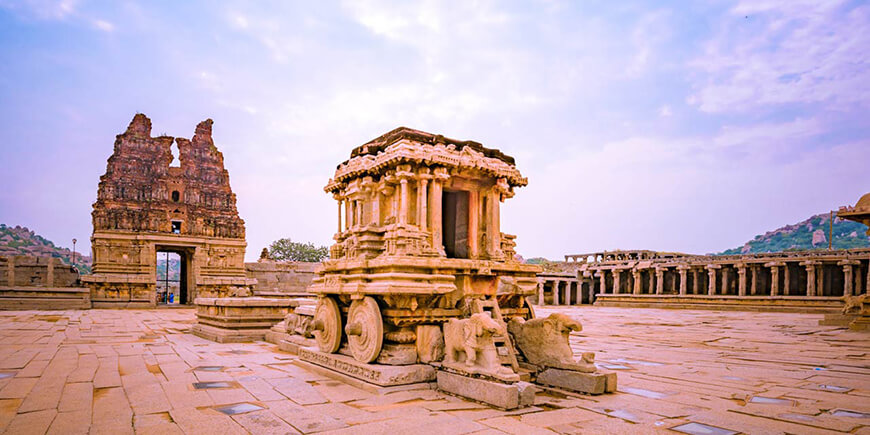
The ruins of Hampi, once the capital of the Vijayanagara Empire, remind us of both historical grandeur and subsequent abandonment. Although now recognized as a UNESCO World Heritage Site, the city lay largely neglected for centuries after its destruction in the 16th century.
Neglect is not simply a matter of natural decay. It also represents the politics of forgetting – when certain histories are marginalized or deemed less important within national narratives.
Restoration and the Ethics of Conservation
Restoration efforts attempt to preserve monuments for future generations, yet they also raise important ethical questions. How should monuments be restored? Should conservation aim to recreate an imagined original state, or should it preserve traces of historical change?
In India, institutions such as the Archaeological Survey of India play a crucial role in protecting monuments. Established in 1861, the organization has overseen the documentation, conservation and restoration of thousands of sites across the country.
However, restoration projects sometimes spark debates among historians, archaeologists and conservationists. Excessive reconstruction can risk erasing historical layers, while minimal intervention may leave structures vulnerable to deterioration. Balancing authenticity, accessibility and sustainability remains a central challenge in heritage conservation.
Repurposing Monuments in Contemporary India
In recent decades, many monuments have been repurposed for tourism, cultural events and public engagement. Heritage festivals, museum installations and sound-and-light shows aim to make historical sites accessible to broader audiences.
While these initiatives help generate awareness and economic support for preservation, they also reshape how monuments are experienced. Sites once associated with religious devotion or royal power now function as cultural landmarks within the global tourism industry.
This transformation highlights another political dimension of monuments: their role in shaping national identity. By promoting certain sites as symbols of heritage, governments and cultural institutions influence how history is presented to the public.
Monuments as Living Archives
Ultimately, monuments should not be seen as static relics of the past. They are living archives that continue to evolve through interaction with communities, scholars and institutions.
Artists and contemporary cultural practitioners increasingly engage with monuments as spaces of memory and critique. Through photography, installations and performance, they reinterpret historical sites to question official narratives and highlight overlooked histories.
In this sense, monuments remain active participants in cultural dialogue. They connect past and present, reminding us that history is not fixed but constantly rewritten through interpretation, preservation and collective memory.
Conclusion
The political lives of monuments reveal that architecture is never merely about stone, brick, or sculpture. Monuments embody stories of power, faith, loss and resilience. Their preservation – or neglect – reflects broader societal attitudes toward history and heritage.
In India’s vast cultural landscape, monuments serve as bridges between civilizations and generations. Understanding their political and historical dimensions allows us to appreciate not only their artistic beauty but also the complex narratives they carry.
By preserving these structures responsibly and engaging critically with their histories, we ensure that monuments continue to inspire reflection, dialogue and cultural continuity.