Nestled in the lush greenery of the Sahyadri hills near Lonavala, the Bhaja Caves are among the oldest rock-cut Buddhist cave complexes in India. Dating back to the 2nd century BCE, these caves offer a breathtaking glimpse into India’s early Buddhist traditions, monastic life, and architectural mastery.
A Journey into the Past
Carved out during the Hinayana phase of Buddhism, the 22 rock-cut caves at Bhaja were used as viharas (monastic residences) and chaityas (prayer halls). The site was located along an ancient trade route that connected the Deccan plateau to the Arabian Sea coast, making it an important stop for traveling monks and merchants.
The Magnificent Chaitya Hall
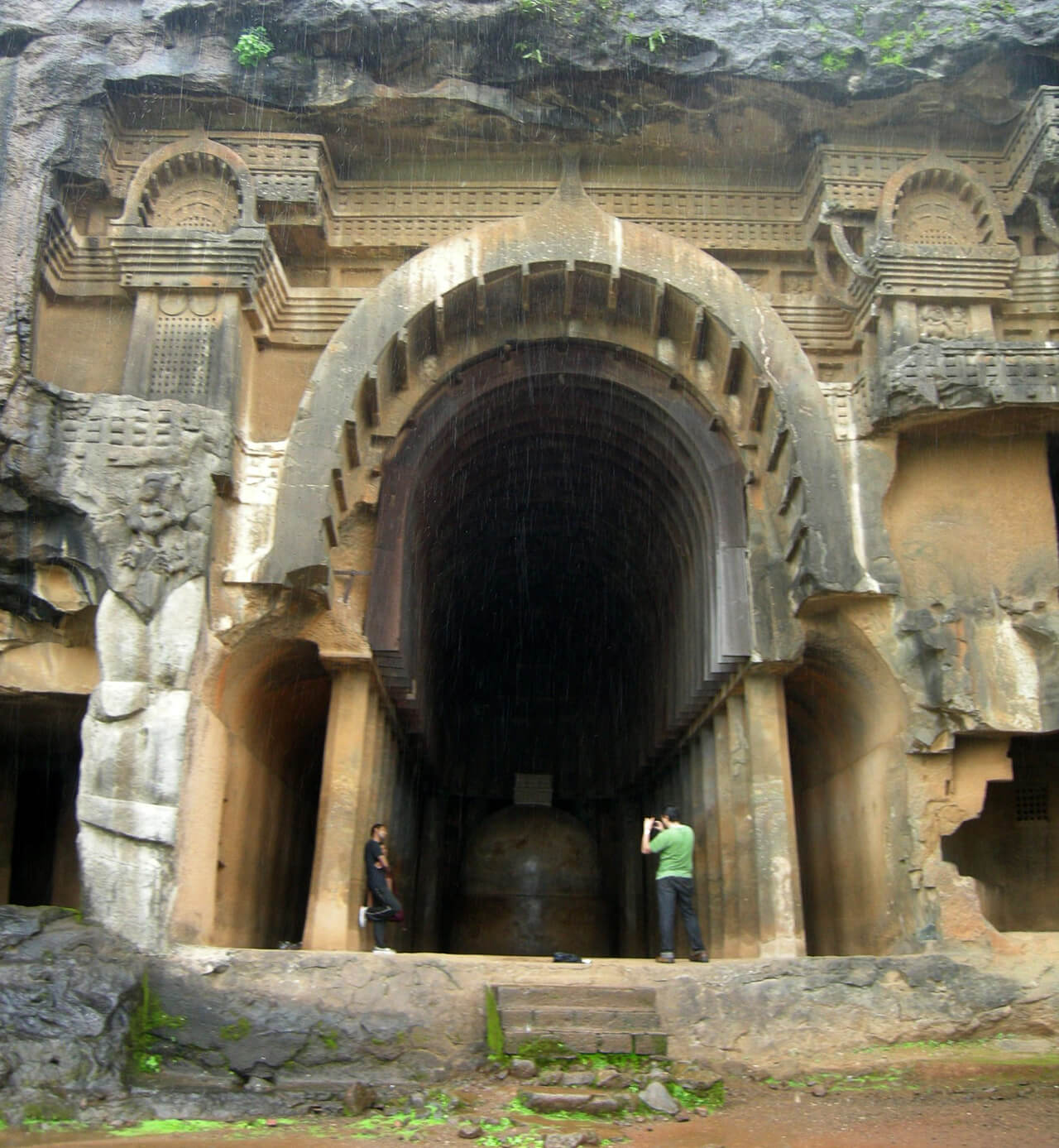
The highlight of Bhaja is its beautifully preserved chaitya hall, one of the earliest in India. It features a distinctive horseshoe-shaped entrance and a wooden beam ceiling design carved in stone—a marvel that mirrors early wooden architecture. The stone stupa at its center continues to evoke reverence even after 2,000 years.
Intricate Carvings and Sculptures
Bhaja Caves are adorned with sculptures of dancers, musicians, and mythological beings, unusual for early Buddhist sites. Particularly striking are the sculpted reliefs of 14 female figures in dynamic dance poses, suggesting the coexistence of spirituality and celebration in early Indian life.
The Monastic Cells and Water System
Surrounding the chaitya are viharas—simple monastic cells used by monks for meditation and rest. The caves also have an ancient water drainage system that demonstrates the engineering skills of early cave architects. Water collected from rainfall would be channelled and stored, making the complex self-sustaining.
A View to Remember
Reaching Bhaja requires a short trek up a stone stairway, but the effort is well rewarded. The panoramic views of the Indrayani Valley and the surrounding hills are breathtaking, especially during the monsoon season when the region is lush and alive with waterfalls.
Getting There
Bhaja Caves are located near the village of Bhaje, about 12 km from Lonavala and 60 km from Pune. The nearest railway station is Malavli, a short walk from the base of the hill.
Travel Tips
- Wear trekking shoes for the climb, especially during the monsoon.
- Visit early in the morning for the best light and fewer tourists.
- Carry water and snacks as facilities are limited near the site.
Conclusion
Bhaja Caves are more than just an archaeological site—they are a window into ancient spiritual life, artistic expression, and communal living. For travelers seeking culture, history, and nature all in one place, Bhaja offers an experience both humbling and enriching.
Plan your visit to Bhaja and let its silence speak stories carved in stone.