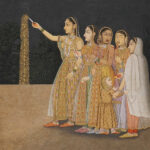
Indian art is more than creativity—it is evidence. For historians and archaeologists, the visual culture of the subcontinent serves as one of the most reliable gateways into understanding the people, beliefs, politics, and social dynamics of ancient India. Long before the availability of written records, art functioned as a crucial archive, preserving ideas and practices that shaped early civilizations. From prehistoric cave paintings to temple sculptures and miniature manuscripts, Indian art history reveals how ancient Indians lived, worshipped, fought, celebrated, organized society, and imagined the world.
Visual Evidence Before Written Records
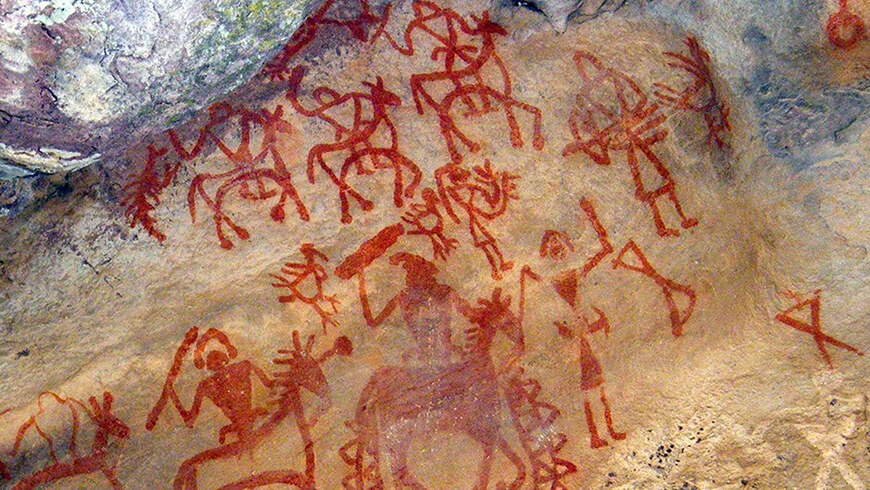
The earliest Indian artworks—such as the Bhimbetka cave paintings—provide rare insights into prehistoric life. The scenes depict hunting groups, community gatherings, and animals, allowing archaeologists to reconstruct patterns of subsistence, mobility, and ritual behaviour. These images act as anthropological windows into early human communities, revealing their relationship with nature, their tools, and even their social interactions.
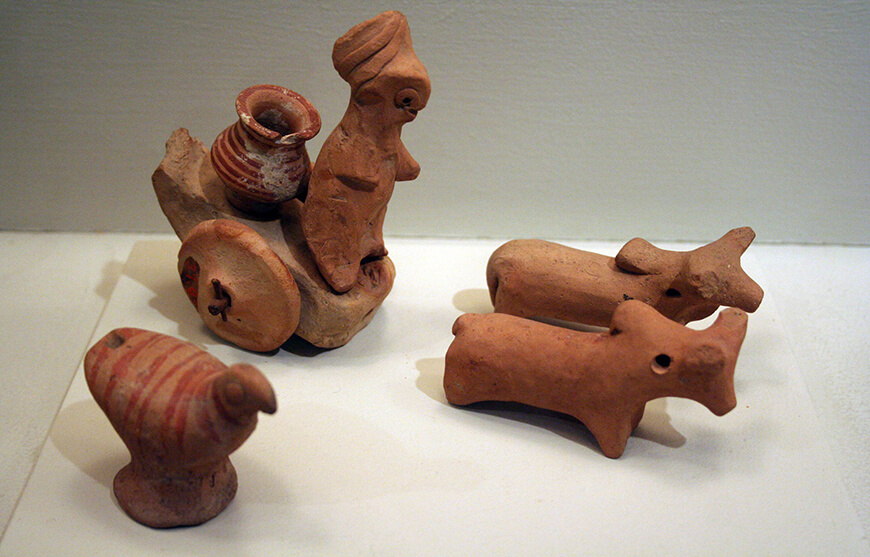
In periods like the Harappan Civilization, art objects compensate for the absence of deciphered texts. Terracotta figurines, seals, pottery motifs, and architectural remains help historians interpret gender roles, trade, craft specialization, and ritual practices. The famous “Priest-King” sculpture and unicorn seals, for instance, highlight socio-political hierarchy and symbolic systems that shaped one of the world’s earliest urban societies.
Understanding Social Structure Through Art
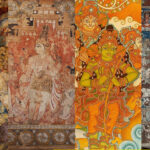
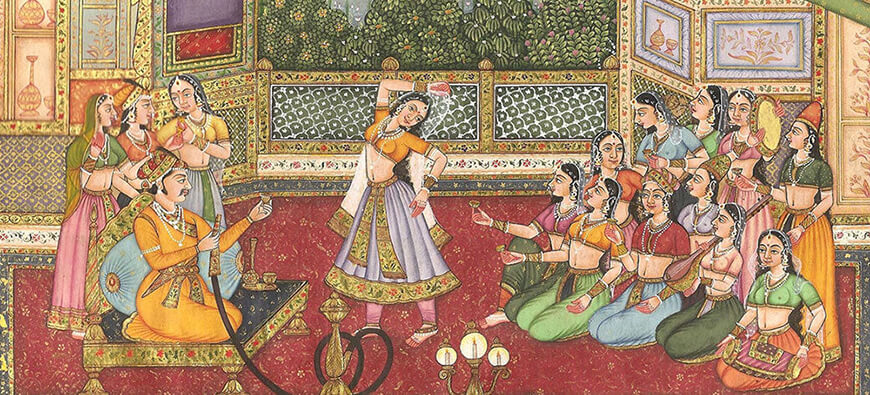
Indian art repeatedly reflects concerns with society and community. Sculptures, murals, pottery, and metalwork often depict everyday life—farmers ploughing fields, women engaged in domestic tasks, traders travelling with caravans, dancers and musicians performing in royal courts. These images are invaluable for reconstructing class structures, distinctions between royalty and commoners, and the labour systems that sustained ancient economies.
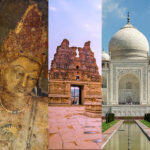
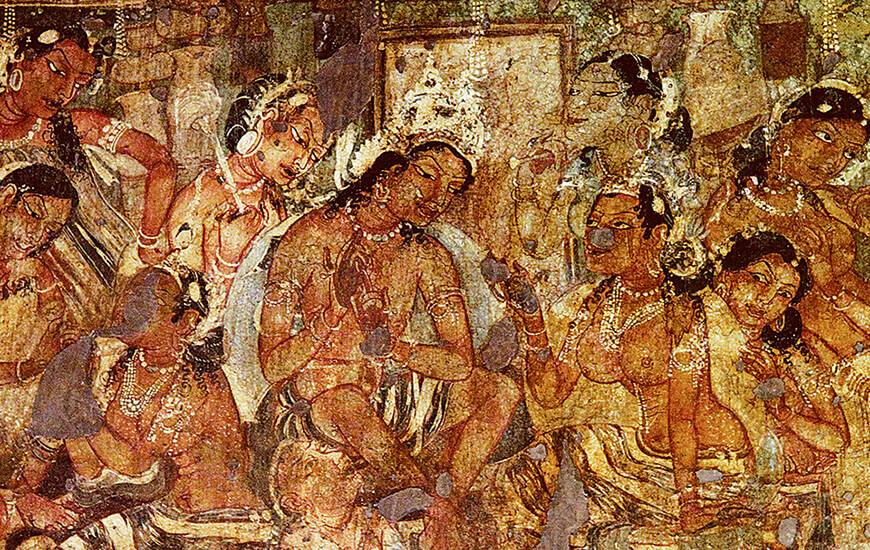
The Ajanta murals are particularly rich sources for social history. They portray merchants, monks, queens, attendants, and foreign travellers, illustrating the cosmopolitan nature of ancient Indian trade routes. The paintings show textiles, jewellery, architecture, musical instruments, and gestures in remarkable detail—offering historians a wealth of information about material culture and lifestyle.
Political Narratives and State Power in Art
Art has long served as an instrument of political expression. Dynasties such as the Mauryas, Satavahanas, Guptas, Cholas, and Mughals commissioned ambitious works to assert their authority, convey their legitimacy, and shape public memory.
For example, Ashokan pillars—with their inscriptions and animal capitals—illustrate the Mauryan emperor’s vision of governance rooted in moral ideals. The elaborate sculptural programs at Buddhist stupas such as Sanchi and Bharhut depict historical events, donor communities, and royal patronage, helping historians trace networks of power and patron-client relationships.
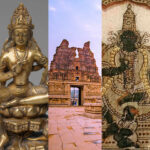
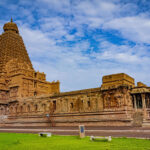
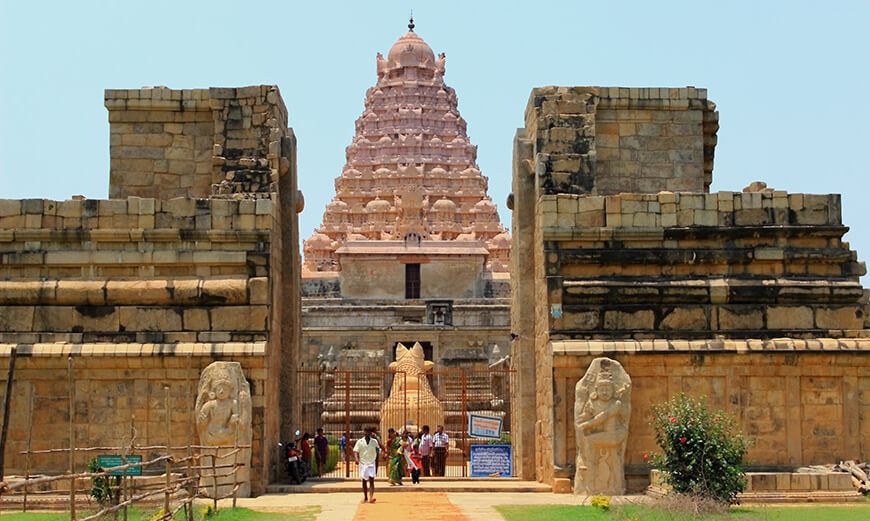
Similarly, temple architecture in South India—especially under the Cholas—serves as a chronicle of the state’s economic capacity and cultural ambitions. Bronze sculptures, inscriptions, and monumental temples reflect political stability, wealth, military expansion, and artistic innovation. These artworks reveal how rulers used religious patronage as a form of soft power to legitimize their reign.
Religious and Philosophical Landscapes
Art history provides one of the most detailed sources for studying the evolution of religious thought in India. From the symbolic simplicity of early Buddhist art to the narrative complexity of Hindu temple imagery, visual traditions help scholars decode ideas such as dharma, karma, enlightenment, and devotion.
Temple sculptures serve as illustrated philosophical texts. Whether depicting the Ramayana, the Mahabharata, or Puranic stories, these images transmit ethical values, spiritual concepts, and ritual practices. The coexistence of Hindu, Buddhist, and Jain art in regions like Maharashtra, Karnataka, Rajasthan, and Bihar highlights the pluralistic nature of Indian religious history.
Art as a Record of Cultural Exchange
Indian art is also a record of interactions with other cultures. Gandhara sculptures reveal the fusion of Hellenistic and Indian aesthetics; Mughal miniatures reflect Persian, Central Asian, and European influences. These artworks allow historians to map ancient trade routes, migrations, and diplomatic exchanges.
Art as a Living Archive
Indian art history is not merely an aesthetic journey; it is an essential tool for reconstructing the human story of the subcontinent. Art provides evidence where texts are absent, incomplete, or biased. It preserves memory, reveals cultural shifts, and documents the political and philosophical concerns of ancient Indian society. For historians and archaeologists, these visual traces form a living archive—one that continues to expand our understanding of who we were, how we lived, and what we believed.