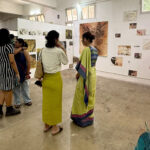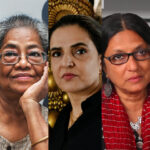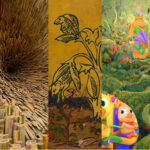
Contemporary Indian art is undergoing a remarkable transformation. While painting and sculpture continue to play a significant role, many artists are increasingly working across disciplines, embracing digital technologies, sound, archives, ecology, performance and community-based engagement. These emerging practices are expanding the possibilities of artistic expression and reshaping how art interacts with society.
Rather than producing autonomous objects for gallery spaces alone, contemporary artists are creating experiences, research-driven projects, social interventions and collaborative platforms. These new directions reveal an art world that is increasingly interdisciplinary, participatory and responsive to contemporary realities.
Digital Art and New Media
Digital technologies have opened new avenues for artistic experimentation. Indian artists are exploring virtual environments, data visualization, artificial intelligence, animation and interactive installations.
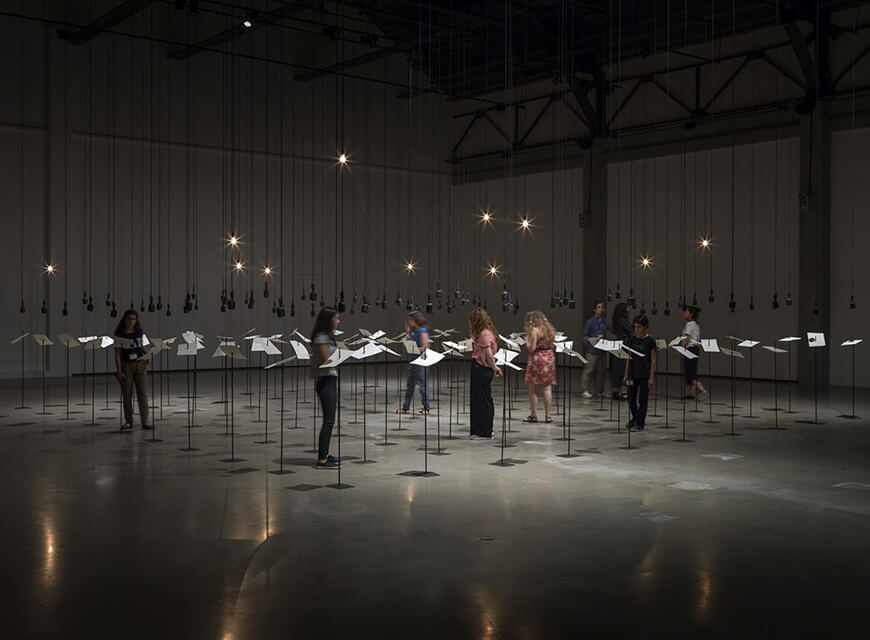
One of the most influential figures in this field is Shilpa Gupta, whose practice frequently examines surveillance, borders, censorship and communication technologies. Works such as For, In Your Tongue, I Cannot Fit (2017–18) combined sound, text and installation to address questions of freedom and political imprisonment.
Similarly, Nikhil Chopra has incorporated digital documentation into his performative practice, creating works that exist simultaneously as live events, photographs, videos and online archives.
These practices demonstrate how digital media has become more than a tool—it is now a conceptual framework through which artists examine contemporary life.
Sonic Art and Listening as Practice
Sound-based art remains relatively underrepresented in India but has gained increasing attention over the last decade.
Artist and curator Zuleikha Chaudhari often employs sound and spatial experience within her installations and theatrical works, encouraging audiences to engage with memory through listening rather than seeing.
The Sound Reasons Festival, organized in New Delhi, has brought together artists working with sound installations, field recordings, experimental music and acoustic environments, helping establish sonic art as an important area of contemporary practice.
These works challenge the visual dominance of art institutions and encourage audiences to experience space through listening.
Performance as Critical Intervention
Performance art has become one of the most dynamic fields in contemporary Indian art.
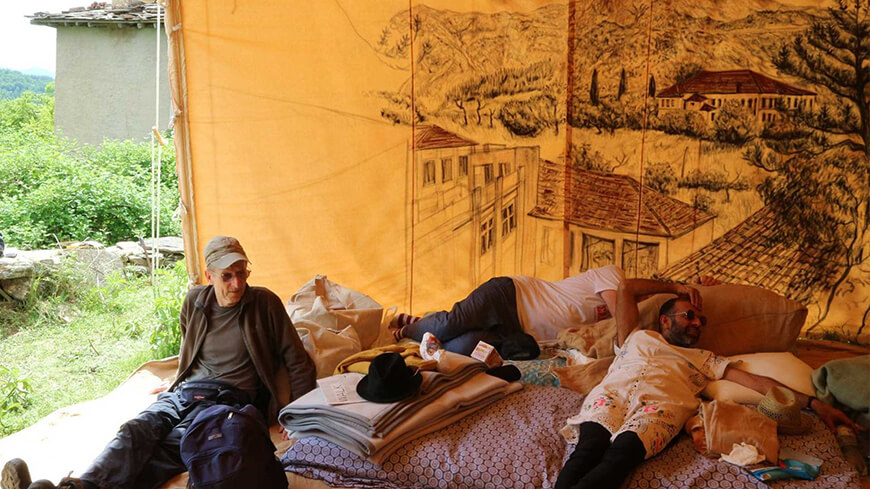
Nikhil Chopra is among the most internationally recognized Indian performance artists. His long-duration performances often combine drawing, costume, autobiography and historical references. Projects such as Yog Raj Chitrakar: Memory Drawing Series transformed the act of drawing into a performative exploration of identity and history.
Inder Salim uses performance to investigate political structures, social behavior and public participation. His interventions frequently take place outside conventional art spaces, engaging directly with communities and urban environments.
Performance enables artists to address issues such as migration, labor, nationalism and personal identity through direct bodily presence.
Archival Practices and Historical Recovery
Many contemporary artists are working with archives to uncover overlooked histories and challenge dominant narratives.
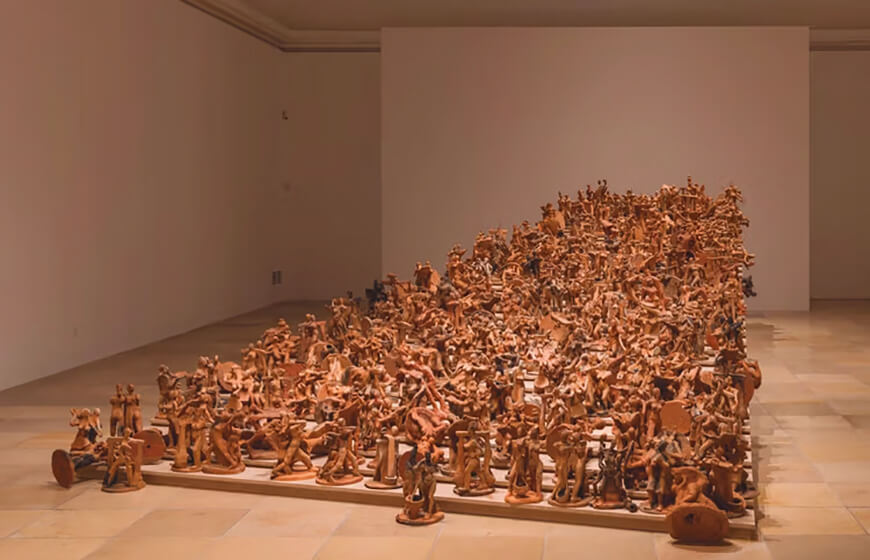
Vivan Sundaram’s landmark project Memorial (1993) addressed communal violence through archival imagery, found objects and installation. His later work The History Project explored colonial archives and historical memory, demonstrating how artistic practice can function as historical inquiry.
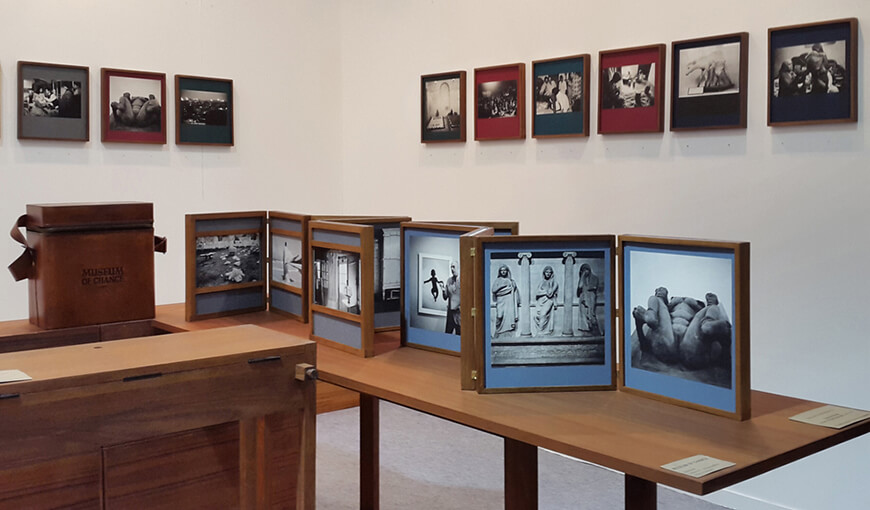
Dayanita Singh has revolutionized the relationship between photography and archives. Through projects such as Museum Bhavan, she transforms personal and institutional archives into modular structures that blur distinctions between book, museum and artwork.
These artists reveal how archives can become living spaces of interpretation rather than static repositories of information.
Ecological Art and Environmental Engagement
Environmental concerns have become increasingly central to contemporary art practices.
Mithu Sen frequently addresses ecological fragility and the interconnectedness of human and non-human systems through installations, drawings and participatory projects.
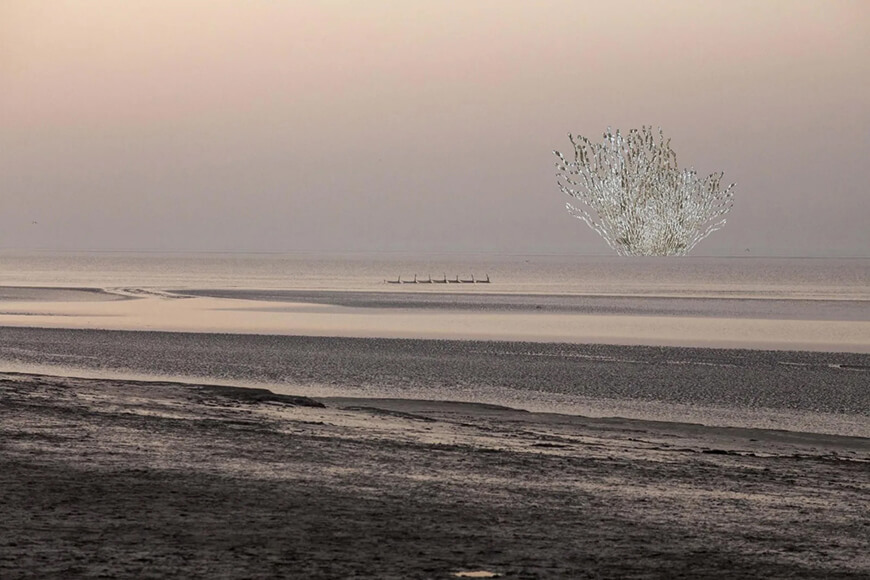
Artist Atul Bhalla has devoted much of his practice to water politics and environmental sustainability. His long-term investigations of rivers, urban infrastructure and water management combine artistic research with ecological activism.
Similarly, Reena Saini Kallat’s installations often engage with themes of environmental interconnectedness, migration and geopolitical borders, highlighting the fragile relationships between nature and society.
These practices move beyond representation, encouraging audiences to think critically about ecological responsibility.
Community-Based and Participatory Art
One of the most significant developments in contemporary Indian art has been the rise of community-driven projects.
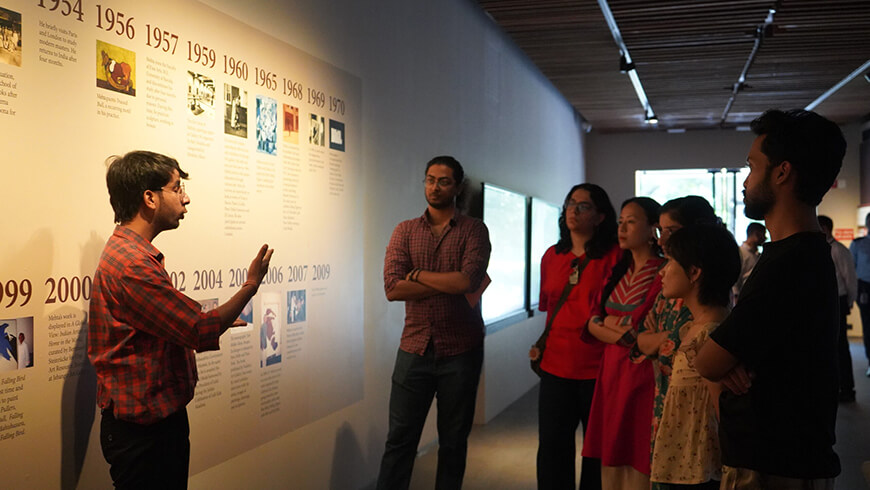
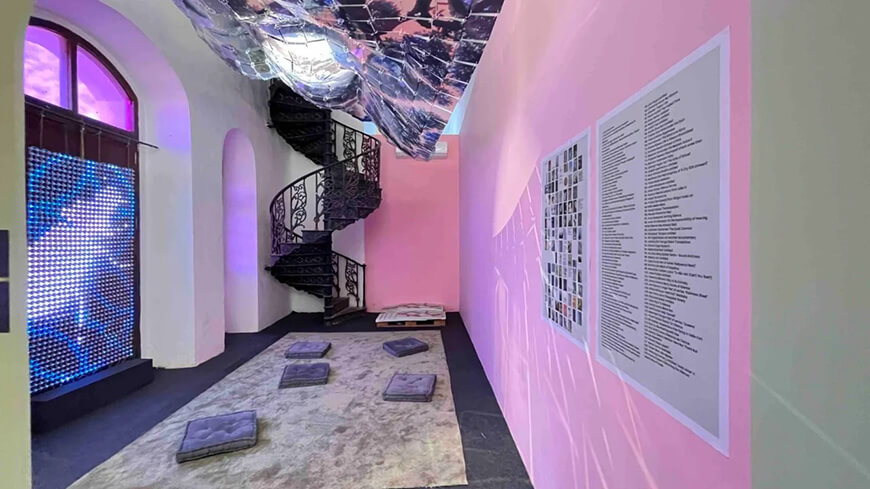
The Khoj International Artists’ Association in New Delhi has played a crucial role in supporting collaborative and socially engaged practices. Since its founding in 1997, Khoj has facilitated projects that connect artists with local communities, researchers, activists and educators.
Artist Sheba Chhachhi has consistently worked with questions of community, feminism and social justice. Her multimedia installations often emerge from long-term engagement with specific groups and histories.
The collective Raqs Media Collective represents another important example. Working across research, installation, video, publishing and public discourse, Raqs has developed projects that examine urbanization, technology, labor and global networks. Their work exemplifies how contemporary art can function as a form of knowledge production.
Beyond the Object
What connects these diverse practices is a movement away from the singular art object toward processes of engagement, research and participation.
Digital projects question the nature of communication. Sonic works ask us to listen differently. Performances activate public space. Archives recover forgotten histories. Ecological projects address environmental crises. Community-based initiatives transform spectators into collaborators.
Together, these practices reveal a contemporary art landscape that is increasingly interdisciplinary and socially engaged.
Conclusion
Contemporary Indian art is no longer defined solely by painting, sculpture, or gallery exhibitions. Artists today are working across digital platforms, sound environments, performance spaces, archives, ecosystems and communities. Through these experimental approaches, they are expanding the boundaries of artistic practice and creating new forms of cultural dialogue.
To map these emerging territories is to recognize that the future of Indian art lies not only in objects but in relationships, experiences, research, participation and collective imagination. The most exciting developments in contemporary Indian art are often found precisely where traditional categories begin to dissolve.