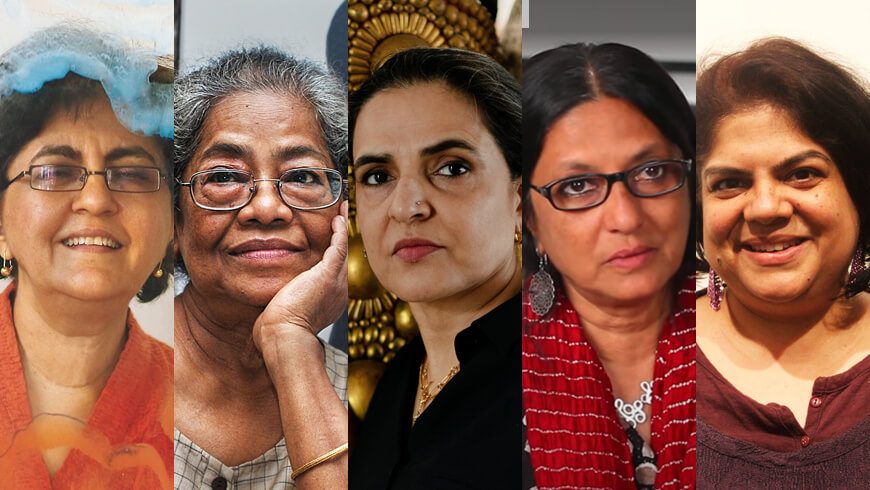
Body, Memory, and Identity in Current Art Discourse
In contemporary Indian art, the boundary between the personal and the political has become increasingly porous. For many women artists working today, lived experience—of gender, body, memory, sexuality, caste and belonging—forms the very foundation of artistic practice. Echoing feminist thinker Carol Hanisch’s assertion that “the personal is political,” contemporary Indian women artists have transformed individual narratives into powerful tools for social critique and cultural reflection.
Rather than offering detached commentary, these artists work from within experience. Their practices are deeply embodied, often rooted in autobiography, domestic space, archival memory and social marginalization. Through diverse media—painting, sculpture, installation, performance, video, textiles and digital platforms—women artists in India are reshaping contemporary art discourse by foregrounding voices historically pushed to the margins.
The Body as a Site of Resistance
The body occupies a central position in feminist artistic practices across India. It is treated not merely as a physical form but as a contested site—marked by desire, surveillance, violence and resistance.
Artists such as Nilima Sheikh and Anju Dodiya have explored the female body through layered symbolism rather than direct representation. Dodiya’s fragile, wounded figures draw from art history and literature to reflect vulnerability, pain and resilience, turning the body into an emotional landscape shaped by both personal memory and collective history.
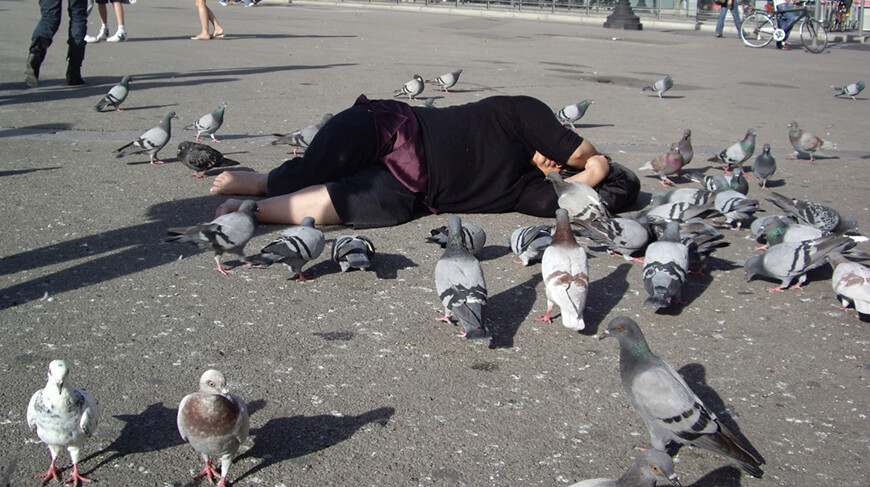
In more performative and conceptual practices, artists like Sonia Khurana use their own bodies to interrogate visibility, absence and gendered expectation. Through video and performance, Khurana challenges normative ways of seeing women, questioning who controls representation and whose bodies are deemed acceptable within public and artistic spaces.
Here, the body becomes political not through slogans, but through presence—quiet, insistent and deeply human.
Memory, History, and the Feminist Archive
Memory plays a crucial role in the practices of contemporary Indian women artists, especially as a means of recovering suppressed or fragmented histories. Many artists work against official narratives by constructing personal archives that foreground women’s experiences, domestic histories and intergenerational trauma.
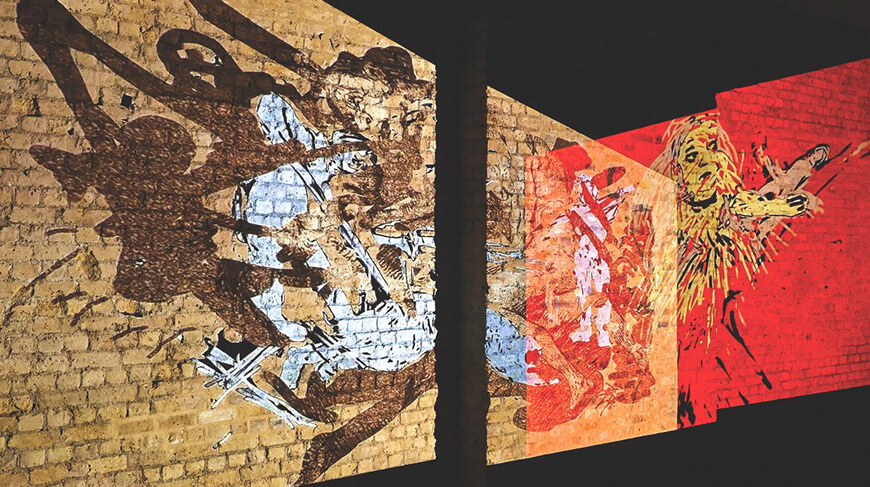
Nalini Malani, one of India’s most influential contemporary artists, has consistently used mythology, shadow play and moving image to explore violence, displacement and patriarchy. Her works draw connections between ancient epics and contemporary political realities, positioning women’s suffering—and resistance—at the center of historical consciousness.
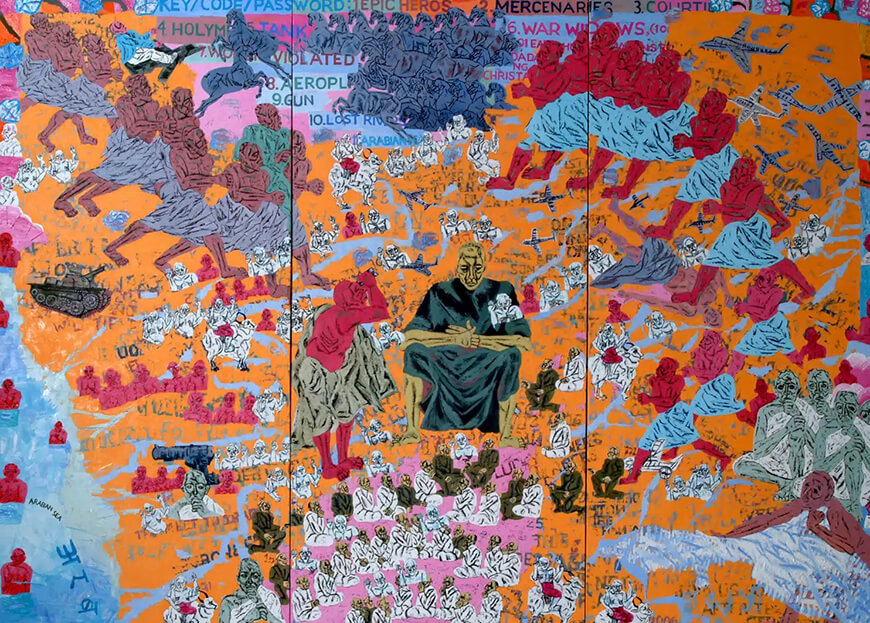
Similarly, Arpita Singh’s paintings blur the boundaries between personal diary and socio-political commentary. Her fragmented figures, crowded spaces and textual insertions evoke anxiety, memory and vulnerability, particularly within urban and domestic environments. Singh’s work demonstrates how private emotional worlds are inseparable from broader political conditions.
Through such practices, memory becomes a political act—one that resists erasure and insists on alternative ways of remembering.
Identity, Gender and Intersectionality
Contemporary Indian women artists increasingly address identity as layered and intersectional, shaped by gender, caste, class, religion and geography. This complexity challenges any singular idea of “womanhood” within Indian art.
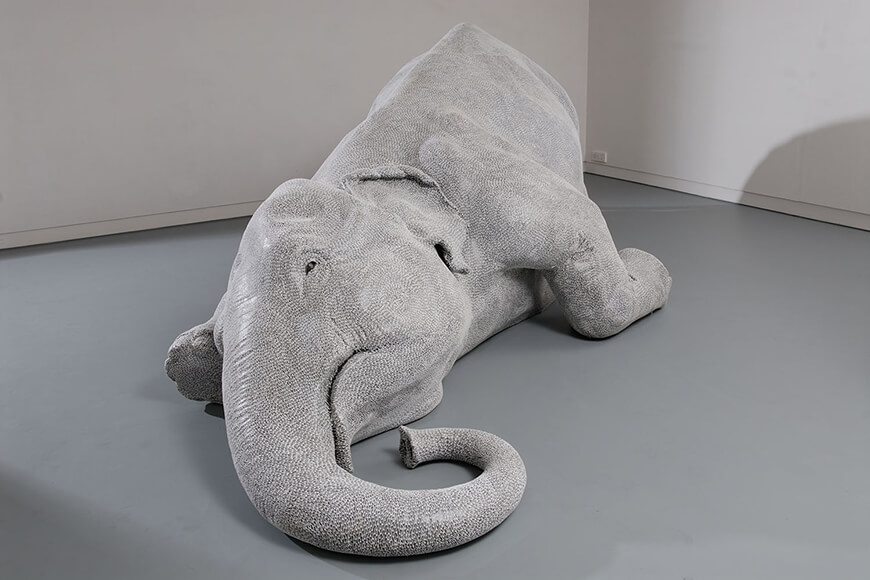
Artists like Bharti Kher interrogate identity through hybrid forms and symbolic materials. Her recurring use of the bindi—both as ornament and marker—questions stereotypes attached to femininity, tradition and cultural authenticity. Kher’s sculptural works expand identity beyond the personal, placing it within global conversations on migration, hybridity and belonging.
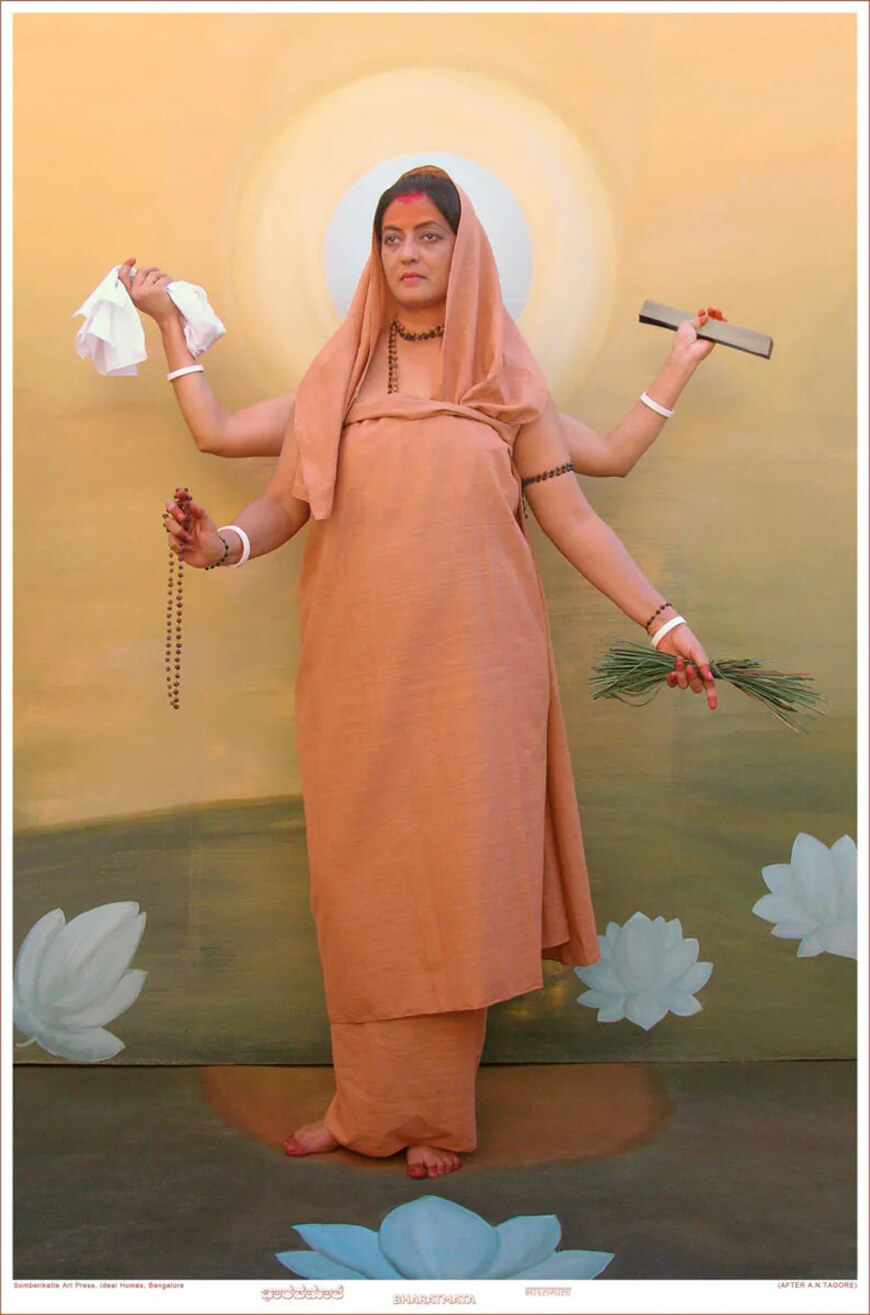
Pushpamala N., through staged photography and performance, adopts multiple personas to parody historical representation and nationalist imagery. By inserting herself into mythological, cinematic and archival roles, she exposes how identity is constructed, performed and controlled—particularly for women.
These practices emphasize that identity is not fixed but negotiated, shaped by power structures and social narratives.
Domestic Space as Political Terrain
For many women artists, the domestic sphere—traditionally associated with femininity and invisibility—becomes a powerful site of critique. Everyday objects, household materials and intimate rituals are transformed into carriers of political meaning.
Artists working with textiles, embroidery and craft-based practices reclaim materials historically dismissed as “women’s work.” By bringing these practices into contemporary art spaces, artists challenge hierarchies that separate fine art from craft, public from private, masculine from feminine.
This revaluation of domestic labor and material culture aligns with broader feminist efforts to recognize unpaid work, emotional labor and care as central to social and political life.
New Media and Expanded Feminist Practices
Younger generations of Indian women artists are increasingly using digital media, video and online platforms to address contemporary issues such as surveillance, body image, virtual identity and algorithmic control. These practices expand feminist discourse beyond physical spaces, engaging with the politics of technology and representation in the digital age.
Through social media, performance documentation and interactive installations, these artists reach wider audiences while questioning visibility, authorship and agency in an increasingly mediated world.
Redefining Contemporary Indian Art Discourse
Contemporary Indian women artists have fundamentally reshaped the country’s art landscape by insisting that personal experience is not apolitical—it is deeply embedded in social structures, historical forces and power relations. By foregrounding body politics, memory and identity, these artists challenge dominant narratives and open new spaces for dialogue, empathy and resistance.
Their work does not seek simple answers. Instead, it creates spaces of questioning—where vulnerability becomes strength, memory becomes archive and the personal becomes a political act. In doing so, contemporary Indian women artists continue to redefine what art can say, whom it can represent and how it can engage with the world.