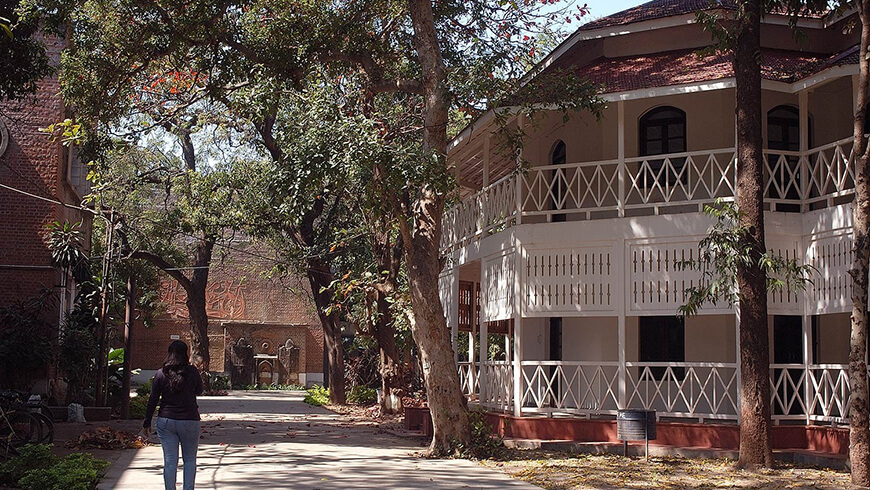
Baroda (Vadodara) occupies a singular position in the history of Indian modern and contemporary art. More than a city, it is an ecosystem shaped by pedagogy, debate, experimentation, and a deep engagement with material as both form and meaning. The Faculty of Fine Arts, Maharaja Sayajirao University of Baroda, established in 1949, became one of the most influential institutions in post-independence India—producing artists who consistently challenged the boundaries of medium, surface, and objecthood.
Unlike metropolitan art centers driven by market forces, Baroda cultivated a studio culture rooted in critical inquiry. Here, material was never neutral. It carried social memory, political charge, personal history, and cultural symbolism. Across generations, artists from Baroda have redefined materiality—moving from painting and sculpture to archives, everyday objects, photography, text, and installation.
Pedagogical Foundations: Thinking Through Material
The Baroda pedagogy emphasized process over product. Teachers such as K.G. Subramanyan, Jyoti Bhatt, Gulammohammed Sheikh, and Nasreen Mohamedi encouraged students to interrogate the nature of materials themselves. Craft traditions, folk practices, modernist abstraction, and critical theory coexisted within the curriculum.
Material was approached not merely as a tool, but as a language shaped by context—historical, political, and personal. This ethos laid the groundwork for generations of artists who would blur distinctions between high art and everyday life.
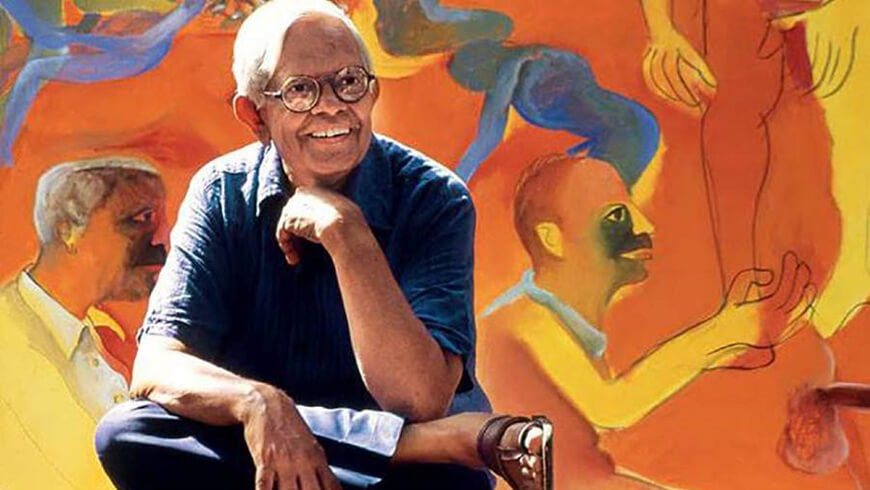
Bhupen Khakhar: The Everyday as Radical Material
Although primarily recognized as a painter, Bhupen Khakhar transformed the idea of materiality by centering ordinary life as subject matter. Trained at Baroda, Khakhar treated narrative, figuration, and autobiography as materials equal to pigment and canvas. His depiction of barbers, watch repairers, and domestic interiors challenged elite modernist aesthetics.
Khakhar’s later works—openly addressing homosexuality, illness, and vulnerability—expanded the emotional and conceptual material of Indian art. The body itself became a site of resistance, making lived experience a crucial artistic medium.
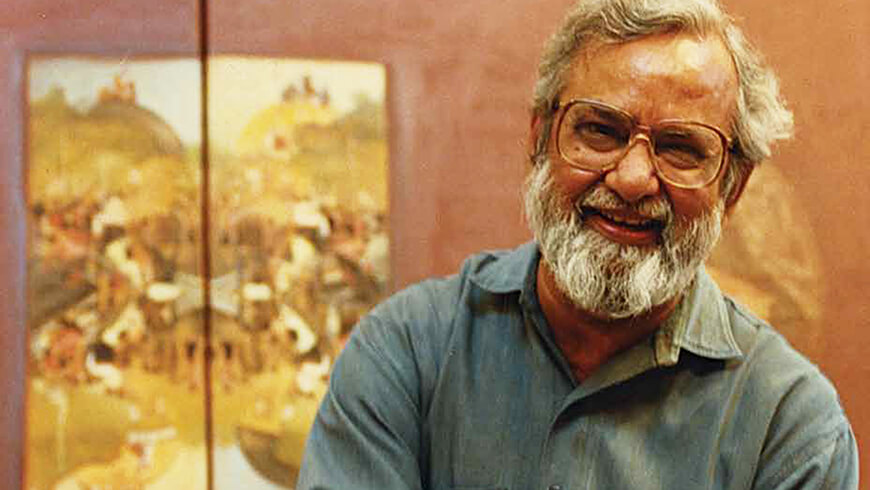
Gulammohammed Sheikh: Archive, Text, and Memory
Gulammohammed Sheikh, another pillar of the Baroda tradition, redefined materiality through layered surfaces combining painting, photography, text, and historical references. His works operate as visual palimpsests—where Mughal miniatures, Persian poetry, contemporary photographs, and political memory coexist.
For Sheikh, materiality extends beyond physical substances into cultural memory and archival time. The canvas becomes a site where histories collide, dissolve, and reassemble.
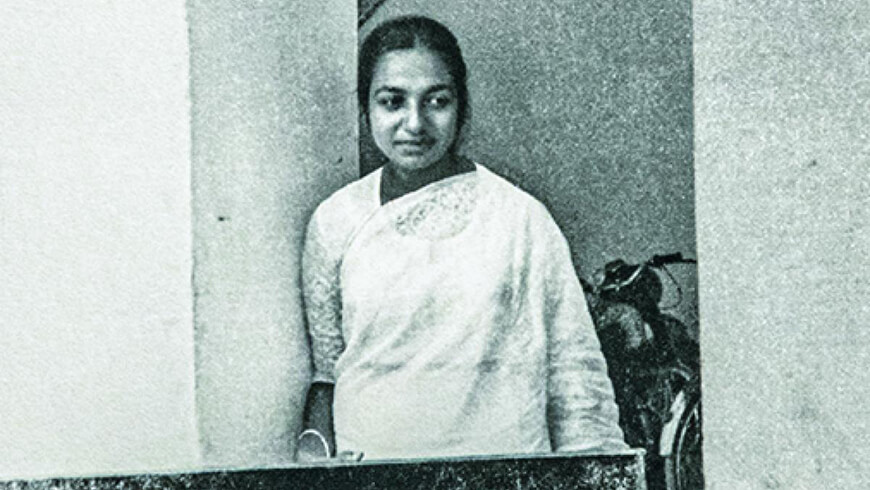
Nasreen Mohamedi: Line as Material
Baroda’s rethinking of materiality is incomplete without Nasreen Mohamedi, whose minimalist drawings transformed line itself into a meditative material. Rejecting color, ornament, and narrative, Mohamedi used pencil, ink, and photographic framing to explore rhythm, discipline, and silence.
Her practice demonstrates that materiality can be immaterial—rooted in restraint, repetition, and the act of seeing. In a context dominated by expressive figuration, Mohamedi’s work expanded the vocabulary of Indian abstraction.
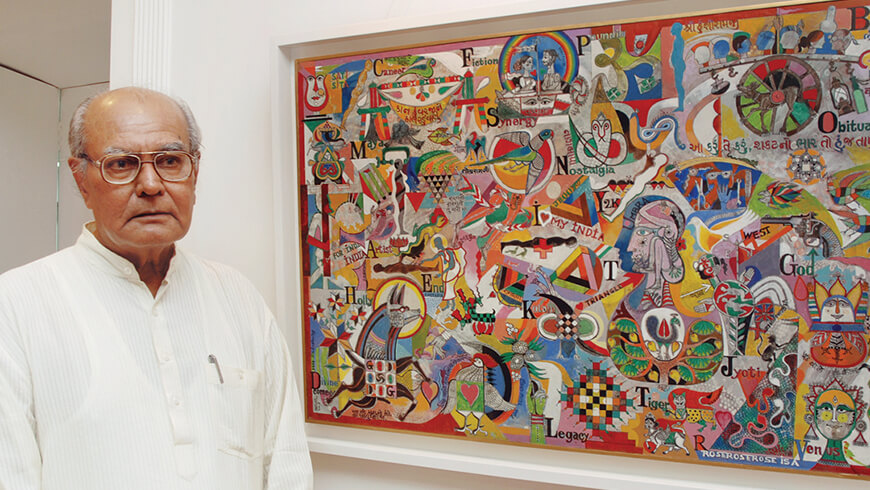
Jyoti Bhatt: Folk, Craft, and Cultural Continuity
Jyoti Bhatt bridged folk traditions and modernist practice by incorporating photography, printmaking, and craft imagery. His engagement with ritual objects, votive forms, and vernacular symbols positioned cultural heritage as a living material.
Bhatt’s work challenged the hierarchy between “fine art” and “craft,” asserting that material knowledge embedded in folk traditions is central to contemporary discourse.
From Object to Installation: The Next Generations
Artists trained in or influenced by Baroda carried this legacy into more radical explorations of material.
Vivan Sundaram, though not exclusively associated with Baroda as a student, engaged deeply with its intellectual climate. His installations using scrap materials, architectural debris, and personal archives transformed material into political testimony—particularly in works responding to urban violence and displacement.
Anita Dube, a Baroda alumna, employs found objects, velvet, bone-like forms, and text to explore gender, desire, and power. Her use of tactile, bodily materials challenges the neutrality of minimalist aesthetics.
Archana Hande redefines materiality through photography and installation rooted in feminist discourse. Her use of domestic imagery, archival photographs, and urban landscapes turns visual documentation into critical material.
Baroda’s Contemporary Spirit: Material as Process
What distinguishes Baroda artists is not a uniform style, but a shared commitment to material as inquiry. Whether through painting, photography, drawing, installation, or text, material is never decorative—it is interrogated, deconstructed, and politicized.
Today, younger artists emerging from Baroda continue this lineage by engaging with:
- Found objects and urban debris
- Archival photographs and texts
- Textile and craft-based processes
- Digital images and conceptual documentation
The Baroda approach resists spectacle. It privileges slowness, thinking, and ethical engagement—qualities increasingly rare in a hyper-visual art world.
Baroda as a Method, Not a Style
To speak of “artists from Baroda” is to speak of an attitude toward making. Baroda is not a school defined by form, but by method—a way of thinking through material, history, and society. Its artists redefine materiality by refusing fixed categories, insisting instead on art as lived experience, critical reflection, and cultural dialogue.
In doing so, Baroda continues to shape contemporary Indian art—not through dominance, but through depth.