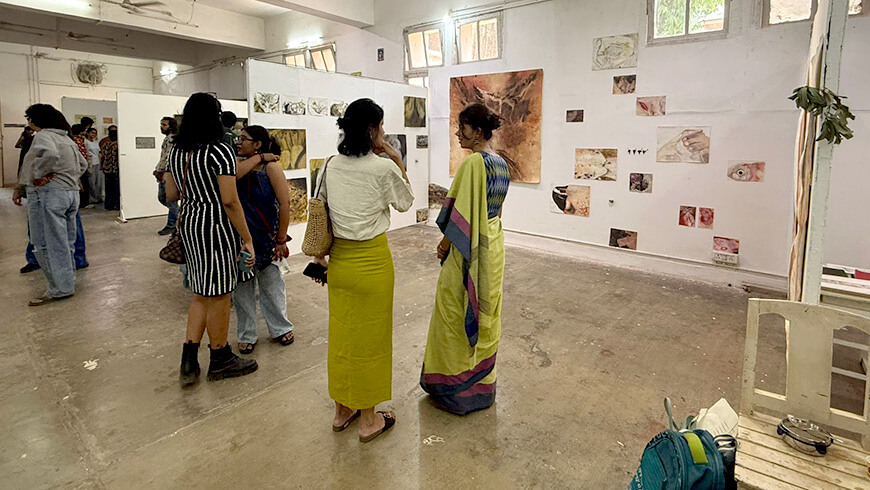
Every year, the campus of the Faculty of Fine Arts, Maharaja Sayajirao University of Baroda transforms into a vibrant, expansive exhibition space. Known simply as the Annual Display, this event is far more than a student show – it is one of the most significant cultural moments in India’s contemporary art calendar.
Bringing together works from departments such as painting, sculpture, printmaking, visual communication and new media, the Annual Display offers a rare, immersive view into the evolving concerns of young artists. It is a space where experimentation is encouraged, boundaries are questioned and ideas take precedence over polish. In many ways, it functions as a living laboratory – testing, shaping and projecting the future of Indian contemporary art.
A Pedagogical Legacy in Practice
The importance of the Annual Display cannot be understood without acknowledging the legacy of Baroda itself. Since its establishment in 1949, the Faculty has been a cornerstone of Indian modernism and critical art practice. Artists and thinkers such as K. G. Subramanyan, Gulammohammed Sheikh, Jyoti Bhatt and Bhupen Khakhar helped establish a pedagogy rooted in critical inquiry, material exploration and cultural dialogue.
The Annual Display becomes the most visible manifestation of this pedagogy. It is where teaching meets practice, where theory becomes form and where the studio opens itself to public engagement.
Beyond Exhibition: A Space of Experimentation
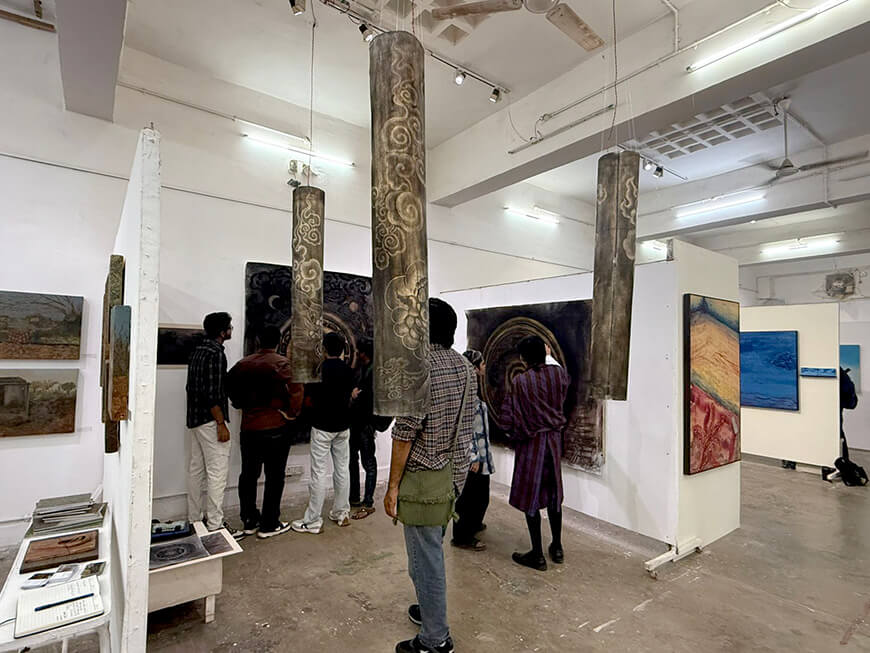
Unlike commercial gallery exhibitions that often prioritize finished, market-ready works, the Annual Display embraces risk and incompletion. Students present installations, performances, video works, site-specific interventions and experimental paintings that may still be in process.
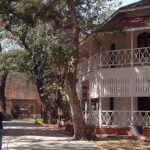
Corridors, studios, open grounds and even trees become part of the exhibition space. This fluid use of space breaks away from the conventional “white cube” gallery format, encouraging viewers to encounter art in unexpected ways.
What emerges is not a singular style but a multiplicity of voices-works dealing with identity, politics, ecology, technology, memory and everyday life. The display becomes a snapshot of contemporary concerns as seen through the eyes of a new generation.
A Platform for Emerging Artists
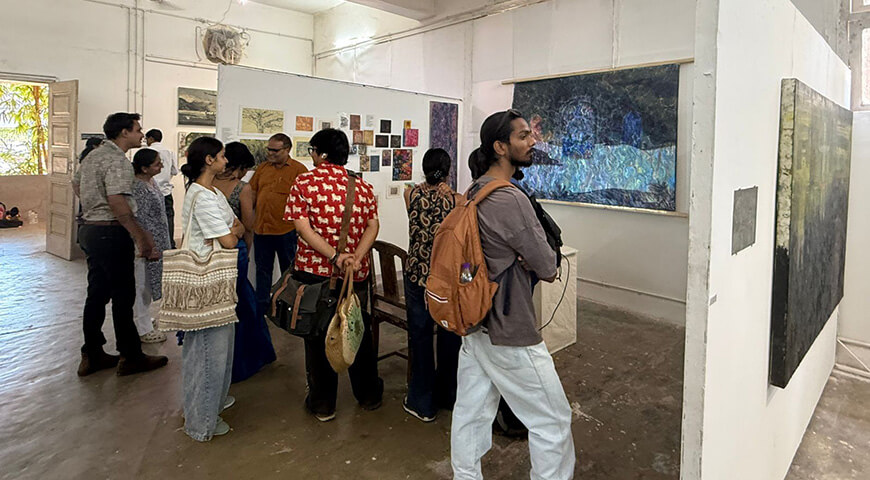
For many students, the Annual Display marks their first major public presentation. It is here that young artists encounter audiences beyond their classrooms – curators, critics, collectors, fellow artists and the general public.
Over the decades, the display has introduced numerous artists who later shaped Indian contemporary art. While not all works gain recognition, the platform itself is invaluable. It allows artists to test ideas, receive feedback and situate their practice within a broader discourse.
In this sense, the Annual Display functions as an entry point into the art world – one that is open, democratic and rooted in dialogue rather than market validation.
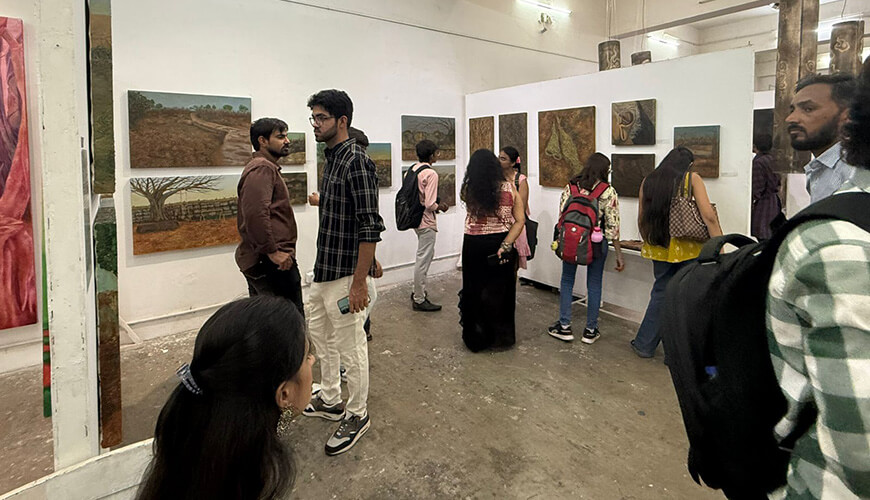
Audience, Community and Accessibility
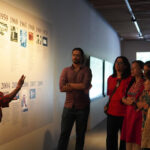
One of the most remarkable aspects of the Annual Display is its accessibility. Unlike exclusive gallery spaces, the Faculty opens its doors to everyone – students from other disciplines, local residents, art enthusiasts and visitors from across the country.
This creates a unique environment where art is not confined to elite circles. Conversations happen spontaneously – in corridors, under trees, inside studios. Viewers engage directly with artists, asking questions, debating ideas and sharing interpretations.
This interaction fosters a sense of community rarely found in formal exhibition spaces. It reinforces the idea that art is not a finished product but an ongoing conversation.
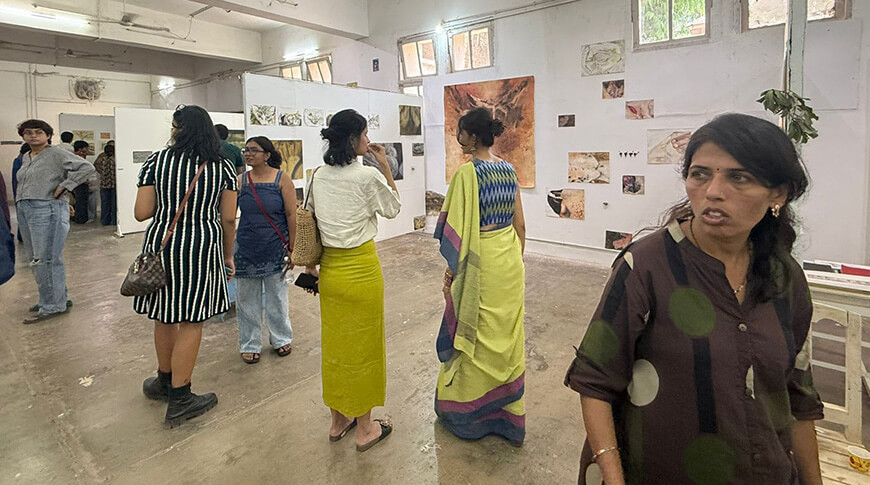
Shaping Contemporary Art Discourse
The Annual Display plays a crucial role in shaping contemporary Indian art discourse by highlighting emerging themes and practices. Issues such as gender identity, caste, migration, digital culture, environmental crisis and political resistance often find early articulation within student works.
Because the display is not constrained by commercial pressures, it allows for critical and experimental practices to flourish. Many ideas that later enter mainstream galleries and institutions can be traced back to such academic spaces.
In this way, the Annual Display operates as a barometer of change – indicating where Indian contemporary art is heading, what concerns are gaining urgency and how artistic language is evolving.
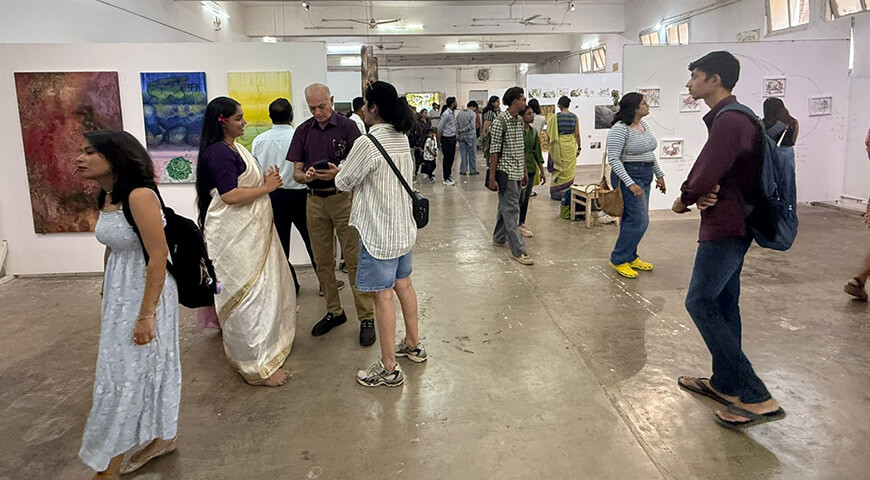
Materiality, Process and Risk
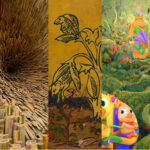
A defining feature of the display is its emphasis on material exploration. Students work with a wide range of media – traditional painting and sculpture coexist with found objects, digital interfaces, textiles, sound and performance.
This diversity reflects the Baroda approach to art-making, where material is not just a medium but a conceptual tool. The display foregrounds process over perfection, encouraging artists to take risks and challenge established norms.
This openness to experimentation is what keeps the Baroda tradition dynamic and relevant.
Challenges and Changing Contexts
Like any institution, the Annual Display also faces challenges. Questions of funding, infrastructure and institutional constraints can affect the scale and execution of works. Additionally, the increasing professionalization of the art world raises concerns about how student practices transition into commercial contexts.
Yet, despite these challenges, the Annual Display continues to retain its core strength – its commitment to freedom, experimentation and critical engagement.
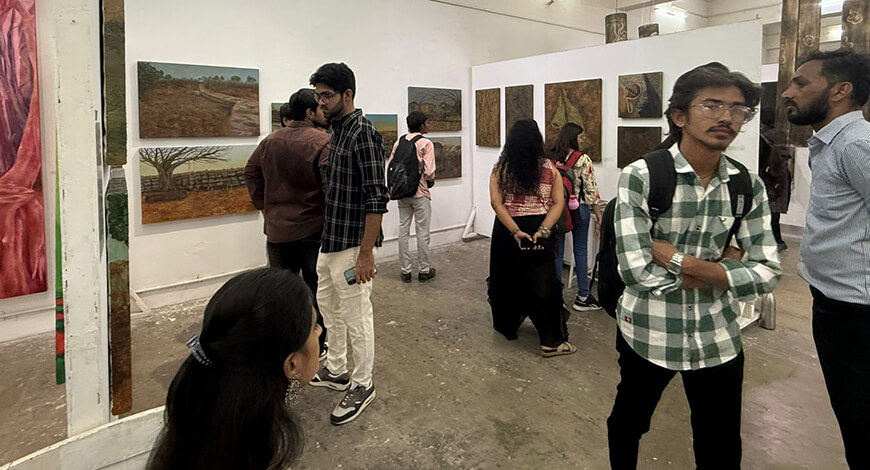
Why the Annual Display Matters
The Annual Display at the Faculty of Fine Arts, Baroda is not just an exhibition – it is a cultural event, a pedagogical exercise and a critical platform that shapes the trajectory of Indian contemporary art.
- It matters because it nurtures emerging voices.
- It matters because it prioritizes ideas over market value.
- It matters because it creates a space where art is lived, debated and experienced collectively.
In a rapidly changing art world, the Annual Display remains a reminder that the future of art lies not only in established institutions and galleries, but in classrooms, studios and the experimental spaces where young artists dare to imagine differently.